



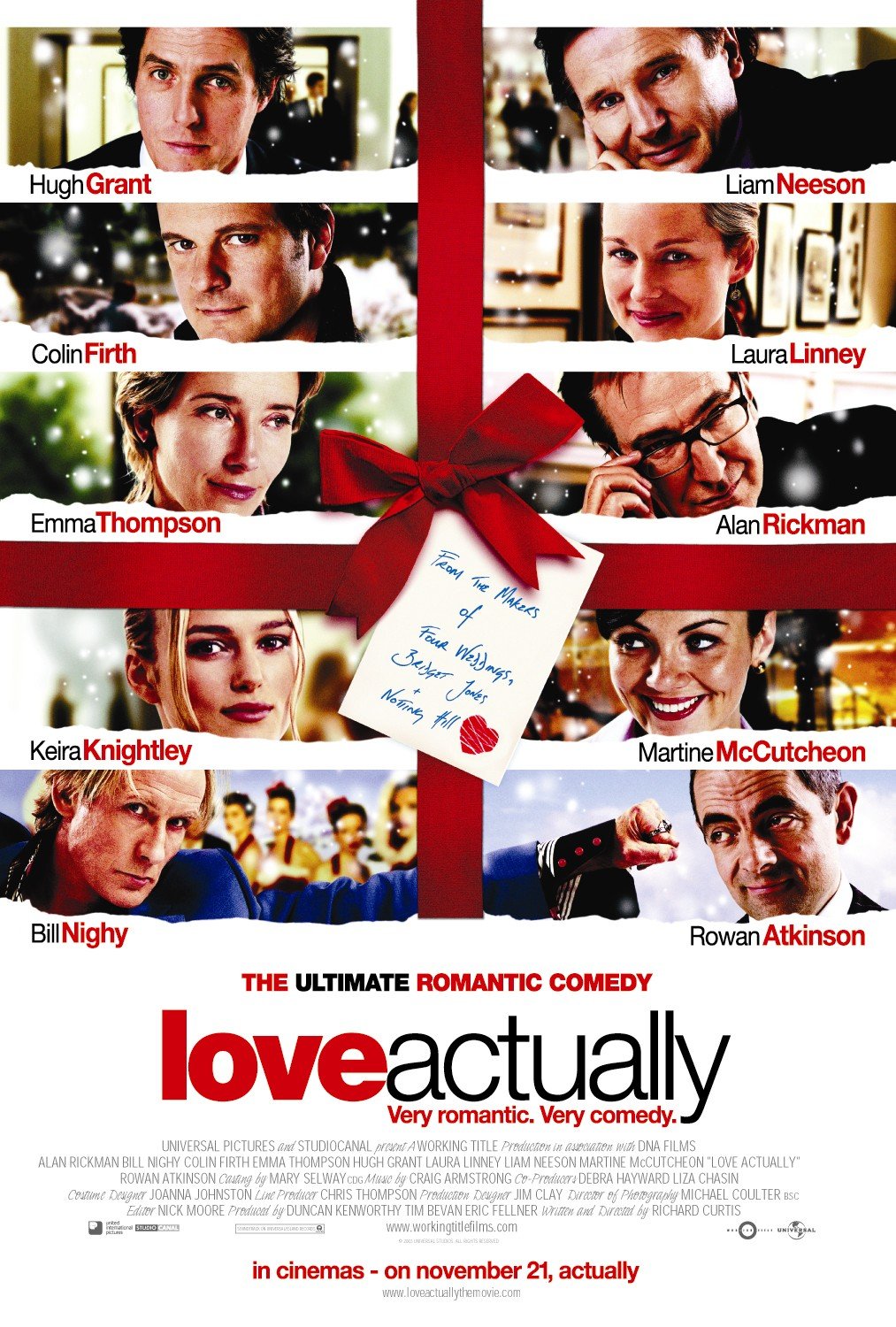
What do you imagine when you think of your ideal partner? How do you imagine the cinematic meet-cute? Maybe they sit next to you on a long train journey or it’s the fan-favourite ‘friends-to-lovers’ arc. What is your perception of love rooted in? Perhaps it's after a couple you know IRL, or maybe from shows and movies you've watched. If it's the latter, then there's no judgement here, I promise.From movies like Before Sunrise to Pride & Prejudice, there's no shortage of romance films to pick and pull from when we want to conjure up an imaginary relationship. These are the type of films that put the 'Wattpad-stories-to-movie-relationships' to shame or that imagine the perfect partner who’s a hybrid of all the ‘he was written by a woman’ type of man—if there is such a thing. While we may want something akin to To All the Boys I've Loved Before, it's worth asking ourselves how much of our romantic desires and perceptions about love are influenced by our consumption of romance movies. And whether or not this is innocent.
Even with minor conflicts, romance stories still depict a hyperreal and idealistic version of romance compared to what exists in the real world. Because let's be real, nobody is falling in love or getting into a relationship with someone who made them the subject of a social experiment/bet (*cough* She's All That *cough*). Romance films feed into the innocent yearnings of the hopeless romantic.
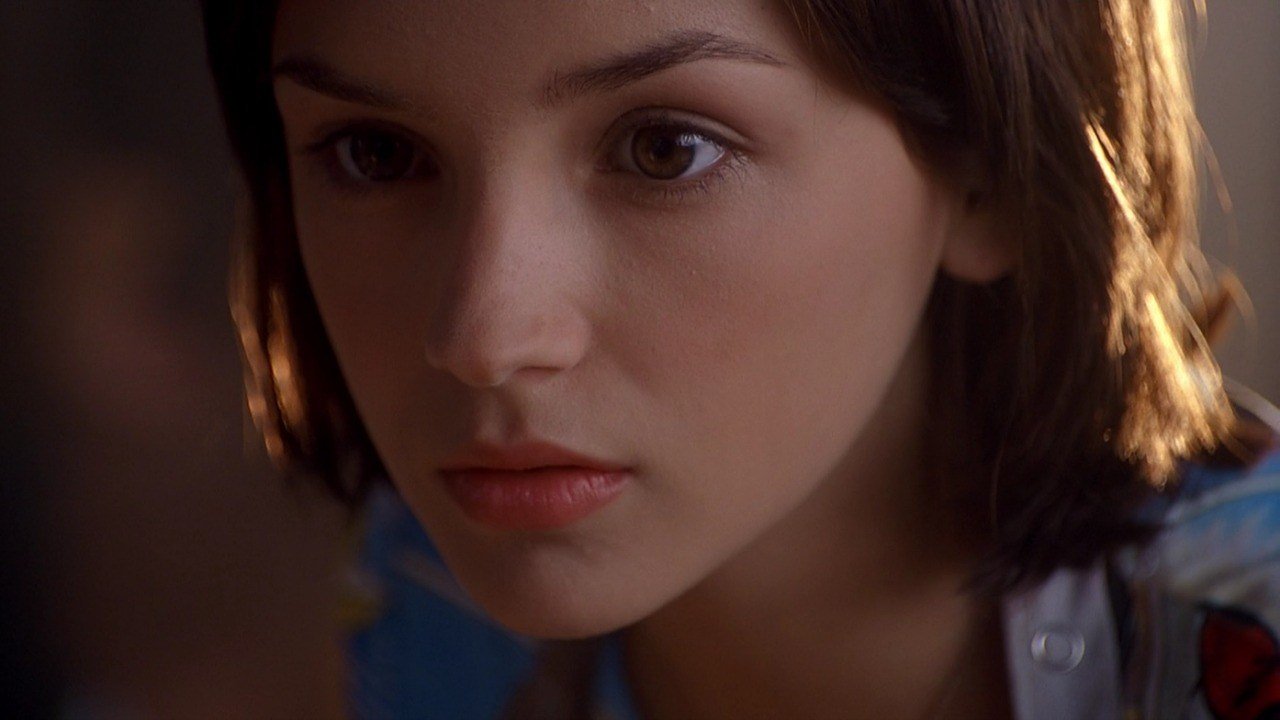
I think we tend to forget that most romance films cater to idealistic versions of romantic relationships, not real ones. They are works of fiction that allow us to dream about and indulge in stories of finding love. However, it seems we would rather use them to create the warped expectations we have for romance, or maybe this is just me projecting.
Now don't get me wrong, as a delusional, constantly-in-her-fantasy-world girlie with high standards, I totally see the appeal of using movies to create some sort of script to go by. In a time when the dating scene is a hot bloody mess for straight and LGBTQ+ people alike, it's understandable that we look to movies as a template for how we want to experience love. However, when your frame of references for love are romantic exaggerations, you don't leave room for humble human error. Like if you've seen Pretty Woman you'll remember when, despite being scared of heights, Edward Lewis still climbed up Vivian Ward’s fire escape to admit that he’s in love with her. I know I'm stating the obvious here, but the dynamics of finding love in a movie are worlds apart from real life.
Many of us hope to find love passively—wanting it to announce itself outside our bedroom window like John Cusack with his boombox in Say Anything. Now I’m no expert, but maybe we–me included–can try to be more intentional when finding love.
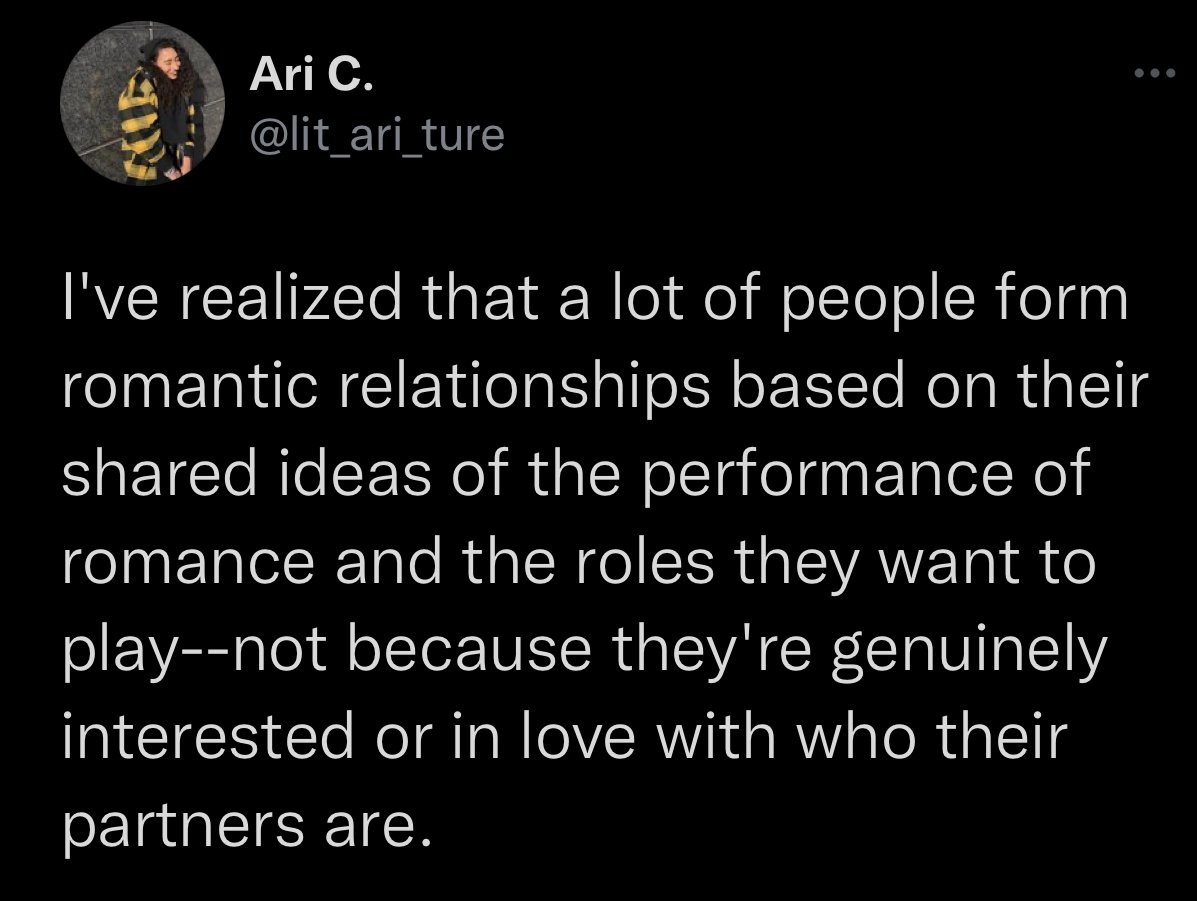
We're always shown the cute parts of walking into romance, the good bits leading up to the groundbreaking declaration of love. Again, I get it! Because who really cares about the stuff that comes after? The couple gets together, and it all works out—the end. There was a period in my teen years when I actively didn't like romance films—very much hater vibes from me. I felt they weren't realistic and thought it was weird how people expected life to follow the same rules as movies. I'm not saying that fourteen-year-old me was better than everybody else, but I did enjoy being right.
Romance films didn’t feel within my realm of possibilities because it was hard to see myself as a black woman through that lens. The leading ladies of mainstream romance films were almost always white women. The way I engaged with rom-com as a Black woman was different compared to white women. When I was fourteen/fifteen, we were unlawfully subjected to watching The Fault in Our Stars as an end-of-term "treat". I, for one, strongly objected. But when talking to a friend at the time about how unrealistic I found romance films and why the genre irritated me, she, in turn, questioned my love for superhero films, since they’re deeply rooted in the unrealistic. My defence was that I knew nothing in those films was a possibility, so there was no expectation of disappointment.
What I'm trying to say is that superhero films weren't realistic to me because I didn't see myself in them, and so I had written off the possibility that I could experience those same things (dying or losing my memory not included). And the same thing went for most rom-coms.
Just to clarify, there is nothing wrong with having high standards and wanting the best for yourself, but keep in mind that you're interacting with real people, not movie characters - should I take my own advice? Maybe, and if I don’t, you can’t prove it. But I digress. Who doesn’t think of themselves as existing in a movie or TV show? Because I do—and I promised a judgement-free zone.
Now I'm not telling you to remove romance movies from your life and never look back, but the moral of the story is that maaaybe our ideas and beliefs about finding love in the real world shouldn't always be rooted in fictional narratives. Because like I said, there’s not much room for human error when we hyper-fixate on romantic idealisations. Just a suggestion (@ myself lol). Balance is always key.