




I learned what it means to dream when I was 24, working at a fancy Italian restaurant in the dead of winter.
I was always running late to the restaurant—time slipped through my fingers as I rushed to get ready. I’d flick on lots of mascara, shift into a little black miniskirt, and slip out the door in a flurry of perfume. I’d speed walk down the street, chomping on a stick of winterfresh gum, blasting Britney in my earbuds (it’s Britney, bitch). I would clock in and spend the night daydreaming my life away for $17 an hour, staring boredly at the back of the restaurant’s dark wooden door from the host stand.
I’d fetch coats from the basement as chic couples polished off their clam pastas or whatever, taking my time rifling through the sea of Burberry trenches, imagining the day that I wouldn’t have to be here, doing this. As I scooped up their jackets, I’d sing “Pocketful of Sunshine” out loud to myself. In doing so, I made the work a game: a Matrix simulation that I was playing and would eventually win. Dissociation often helps me to get through mundane situations that feel like black holes. If I can get through this period of time, I can make it, I would think to myself as I hummed Natasha Bedingfield under my breath. If I can have fun doing this, I can be happy anywhere.
I’d spend the rest of the night using the back of the restaurant’s front door as my canvas, onto which I projected my dreams: visions of walking down cobblestone streets in New York, driving along Sunset Boulevard in the dark, making enough money as a writer to not have to wipe down tables to make rent.
It’s been over a year since I used to dream my life away at the restaurant, and shades of the scenes I visualized onto the door have started to come true. To dream actively, with focused meditation and visualization, is to crystallize those desires, through magic and luck and determination. In retrospect, that’s what I was doing instinctively when I daydreamed my hostessing shifts away: caught between here and there, discontent with the present and pining for the future.
Liminal spaces provide a suspension from hard, cold reality. My dreams tend to come to fruition most fervently when I spend more time “in the liminal space between the dark and the light, [vacillating] between that boundary-free dimension and the world of form and structure,” as Alan Seale wrote in a piece on embracing the mystery of liminal spaces.
The sense of abandon that liminal spaces provide allows me to release the fears and doubts that hold me back from letting myself long for my dreams. There’s a magical sense of freedom to these places and states, where time and space melt away. There are no expectations in this realm, no back of mind grocery lists or unanswered texts. You can drop into your body and the immediate environment with a sort of presence that clarifies core desires and washes away all the rest.
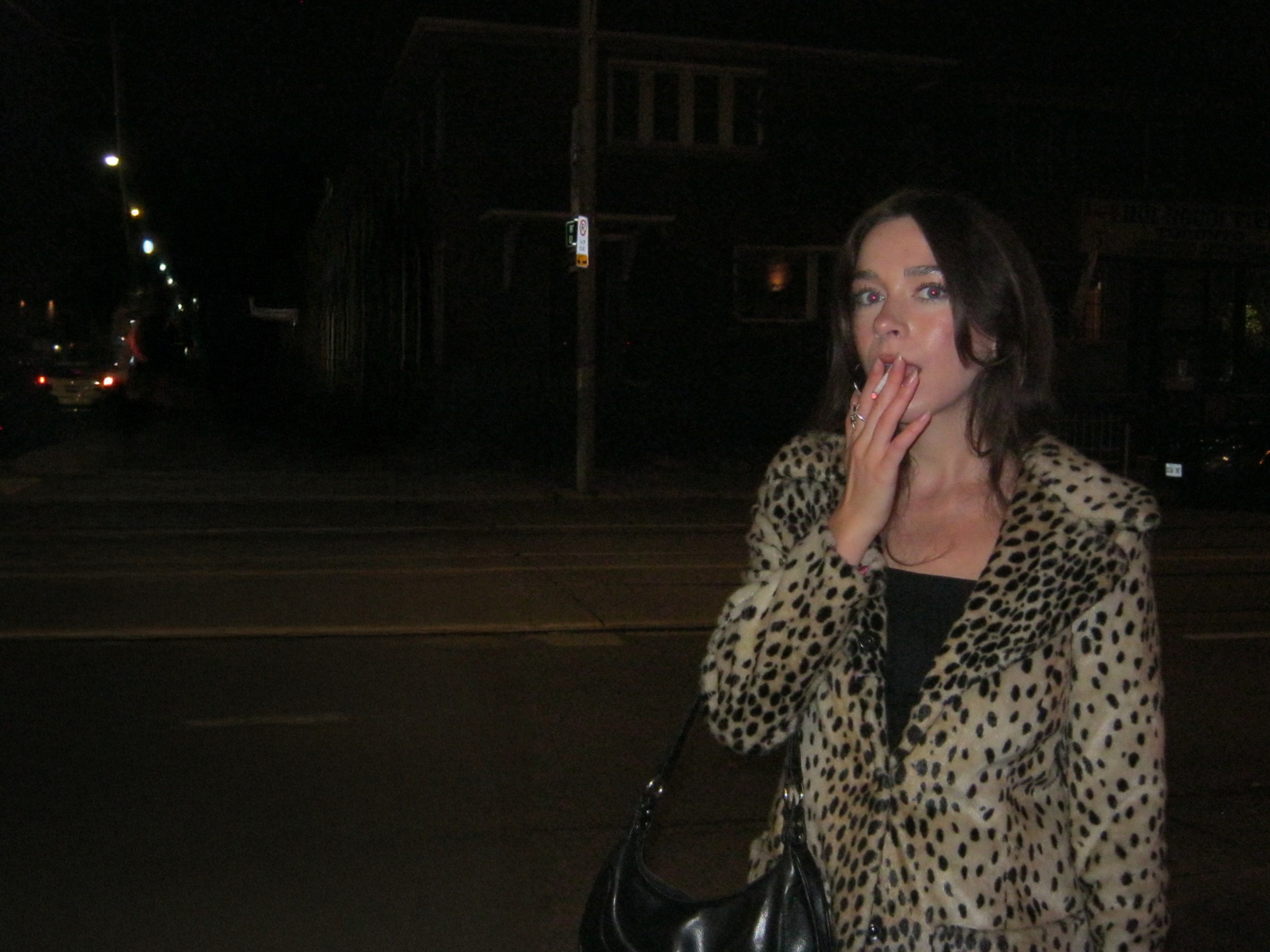
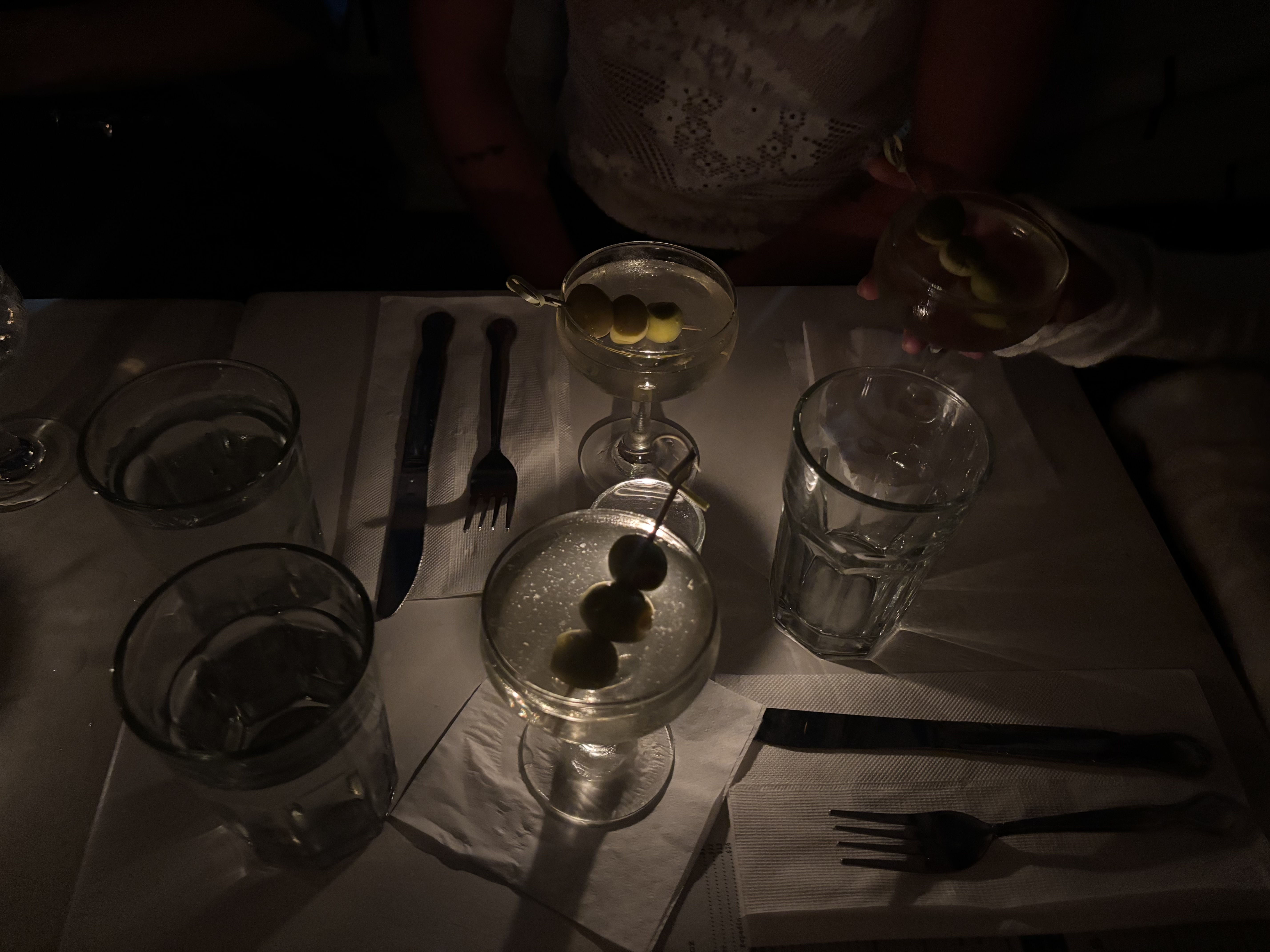
There are certain liminal spaces that I find to be the most magically conductive, for cultivating this sense of dreamy abandon. They often involve going out: for martinis with friends, dancing until 4am, kissing strangers, and falling in love for the night. Disappearing into the kaleidoscopic disco ball light on the dance floor, “Careless Whisper” stroking the room, swaying loosely, full of hope and drugs.
I believe that we are social creatures who need each other, who thrive enmeshed in the fabric of interwoven lives, with experiences shared and memories made. I’d argue that a night out can sometimes be better for you than a night in, in all of its 4am glory.

Going out is a mode of escape that can be narcotically restorative. Your head hits the pillow and you fall asleep feeling connected to the pulse of the city outside your window, to the people you run into, to your own life, the story of it. In this sense, these nightlife spaces can be healthier than quiet nights spent at home, sipping tea, bored out of your mind, feeling restless and lonely. Falling into spaces of release, where you can fully surrender to the moment, is an essential form of rest in my eyes, one that allows us to dream more deeply when we wake.
Though liminal spaces aren’t always about deliciously letting go, feeling young and free and romantic. One of the most transformative liminal spaces I’ve ever experienced was a 7-Eleven parking lot, which became a sort of church to me, a dirty place where I would pray.
In my early 20s, I was a green girl, not yet a woman. I was lost in a dark place, sleeping strange hours and doing stranger things in the bathroom mirror, delusionally daydreaming just to make it through the hell that was 1pm to 4pm. Crying all the time, with no clear dreams in mind. I had nothing to wish or pray for, I thought, and the depression stuck to my skin like grease.
I couldn’t sleep, so I’d go on midnight walks, slipping my earbuds in and circling the neighborhood for hours smoking a joint, walking to 7-Eleven for a big bottle of Evian water. I’d chug it in the parking lot and call whoever I could, and if no one picked up I would cry in dark alleyways and on tree lined side streets, sobbing into my palms, squatting on the ground before peeling myself off the curb in my pajama shorts.

In retrospect, those night walks to 7-Eleven were my stairway to heaven. That familiar parking lot was a strange liminal space that I desperately needed, a break from normality (going to bed early, feeling lonely), where I could exorcise the darkness within. Its chipped concrete and strewn trash heaps matched my internal landscape, and I felt free to be as dark and depraved as I needed to be, in order to work through animalistic feelings of grief. In a similar way to how it feels to dance with reckless abandon at a dive bar, this secret routine was my messy escape from having to be put together and normal during the day. I magnetically wandered to that 7-Eleven almost every night for a year or so, until I no longer needed to pace the parking lot to sleep.
Liminal spaces can be safe places where you don’t have to pretend to feel better, where you can wallow and work through dark feelings—the only way out is through. Sometimes dreaming is about getting out of the hole. It’s not always grand or fantastical—sometimes you’re dreaming about a crush, swaying under red smoky lights on the dance floor at night, caressing your friends bodies with your elbows, other times you’re praying for the strength to wash your hair.
Through the darkness, into the light, I seek out liminal spaces in my everyday life, in order to feel magically conductive and abundantly creative. I let go in yoga, with a sleepy, stoned sense of peace. I fall asleep in the sun and read books in bars. I take a new route home. I dance with my eyes closed at the rock show.
Letting go in liminal spaces, taking the time to wander and get lost, is an essential part of my creative practice today— it allows my deepest desires to come to light. I live life, then I go home and write. I write on planes and trains, I dream up essay ideas in the backs of cars. I’ve written stories about the night I just left behind in the backs of Ubers at 6am. I’ve held onto a kernel of an idea that came to me in a green-lit bathroom. “There are seasons for living, and seasons for creating,” someone I love once told me. To me, liminal spaces are the conduit between the states of living and creating.
The more that I work, the harder that I want to let loose, someone texted me recently.
Mm I get that, I replied. Then I went to 7-Eleven, picked up a pack of cigarettes, went out for wine with a couple of friends, and ended the night at the apartment of the person who texted me. When I woke up the next morning, I took a shower, made coffee, sat down, and wrote about it.