

Some works reveal themselves immediately. Others resist certainty, asking you to return, look longer, and accept that their meaning may never fully settle. This month’s exhibitions belong firmly to the latter. Across photography, painting, sculpture, installation, and moving image, artists build worlds where symbols refuse fixed definitions, familiar objects become quietly uncanny, and the line between reality and imagination feels increasingly porous.
We live surrounded by images that may be over produced and ask to be understood instantly, yet many of the most memorable ones linger precisely because they cannot be explained all at once. In the selected highlights, photographs begin to resemble memory, digital processes produce objects that seem otherworldly, and ordinary landscapes hint at stories just beyond view. Rather than rewarding quick interpretation, these exhibitions reward sustained attention.
Taken together, they offer an archetype for people who have always trusted intuition as much as evidence. They are for people who find themselves looking twice at reflections, symbols, passing conversations, or places that seem quietly charged with meaning. Whether through Summer Wagner’s luminous photographs, Helen Marten’s shifting narratives, Pierre Huyghe’s speculative environments, or Arghavan Khosravi’s layered symbolism, each exhibition reminds us that the most interesting questions are often the ones that remain unanswered.
Summer Wagner: The Pulse of Grass and Screen
Locker Room Gallery | 253 Church St, New York
July 9 - August 23
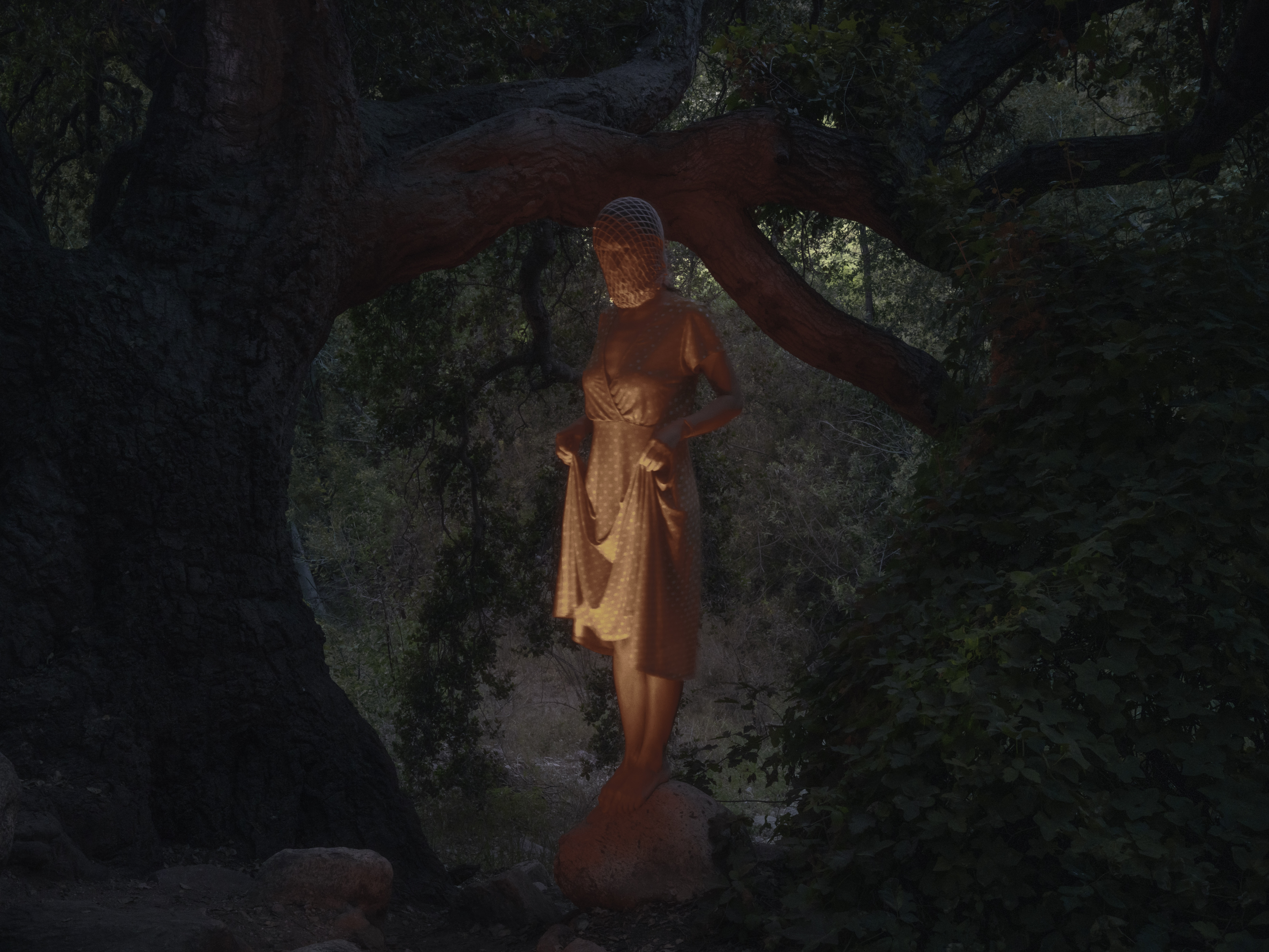
Summer Wagner's The Pulse of Grass and Screen at The Locker Room occupies a rare space between technical mastery and genuine wonder. Featuring fourteen new photographs, the exhibition explores the increasingly blurred boundary between nature and technology through images so luminous and carefully constructed that I repeatedly found myself questioning whether I was looking at photographs or paintings. Wagner's photographs feel like they belong to a generation raised simultaneously outdoors and online. She creates a world where landscapes, bodies, flowers, devices, and fragments of American life coexist in a reality where the natural and digital have become impossible to fully separate.
The images possess an extraordinary luminosity and level of control that feel almost impossible to achieve through photography alone. Yet for all their precision, they retain a sense of mystery, making the process behind their creation feel as compelling as the final image itself. Wagner's photographs operate like contemporary folklore, transforming ordinary objects into symbols. A phone becomes a lantern. A field becomes a stage. A seemingly mundane encounter begins to feel mythological.
I shared one image in particular, Sand and Screen, with friends, expecting them to describe it as beautiful, dreamlike, or whimsical (all ring true). Instead, many gravitated toward words like addictive, trapped, or isolated. That response felt revealing. Rather than celebrating or critiquing digital life, Wagner creates images that reflect a generation navigating both wonder and anxiety in equal measure.
What makes the work so effective is its openness. The photographs are remarkably controlled yet leave ample room for viewers to project their own experiences onto them. The result is a body of work that captures something difficult to articulate what it feels like to come of age at a moment when memory, technology, and reality have become increasingly difficult to separate.
Von Wolfe: Eternal Flames
Tang Contemporary Art | 10/F, H Queen's, 80 Queen's Road Central, Hong Kong
July 10 - August 18
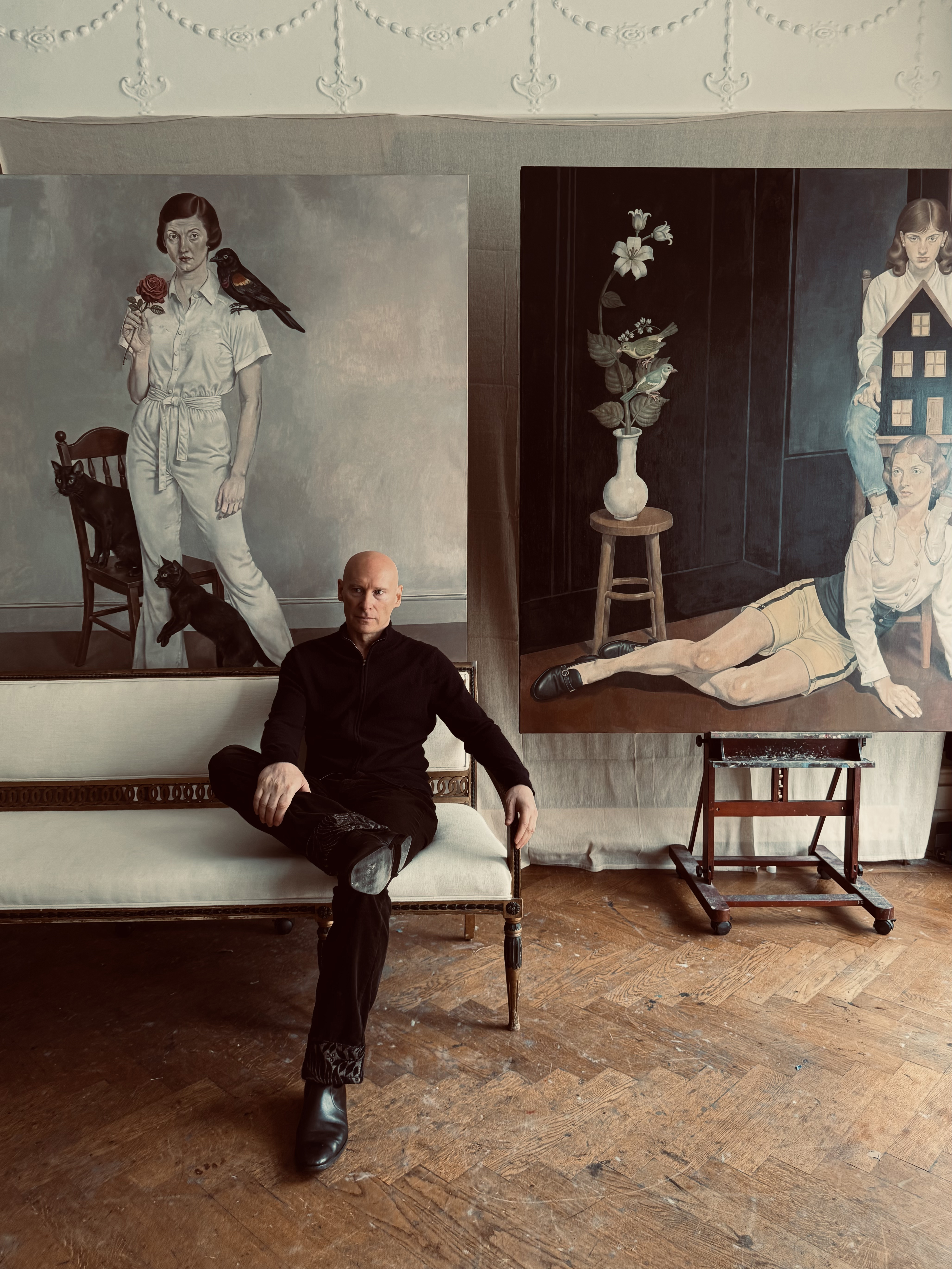
Von Wolfe's Eternal Flames at Tang Contemporary explores the space between fantasy, symbolism, and contemporary image culture through paintings that feel both old and completely of the present moment. The works carry an uncanny familiarity. Figures, animals, and recurring motifs emerge from richly rendered compositions that seem to draw from religious iconography, mythology, folklore, and art history, yet resist belonging to any single tradition. The paintings suggest larger worlds that exist just beyond the frame, inviting viewers to piece together their own meanings.
What drew me to the exhibition is its simultaneous sense of age and novelty. There is a theatricality running throughout the work that prevents it from becoming overly solemn. Von Wolfe embraces beauty, symbolism, and spectacle without irony. Figures ride through impossible landscapes, interact with animals, and inhabit worlds suspended somewhere between tradition and fantasy. Rather than treating these elements as something to critique or deconstruct, the paintings allow them to exist on their own terms, creating a space where ambiguity and wonder can take precedence over explanation.
The exhibition's premise adds another layer to this tension. According to the accompanying text, the paintings begin in digital space, where hundreds of algorithmically generated images are produced before a select few are painstakingly translated into oil paint. The fleeting becomes permanent, and the digital acquires physical weight. That process helps explain why the paintings feel so strangely familiar. They carry traces of image cultures we already recognize while transforming them into something more enduring and difficult to place. The paintings offer just enough familiarity to draw viewers in before leading somewhere entirely unexpected. At a moment when images are designed to be consumed instantly and forgotten moments later, Von Wolfe creates work that opposes short-termism and the simplistic.
Group Show: FLARE-UP
Goldsmith’s CCA | St James's, London SE14 6AD
May 21 - August 16
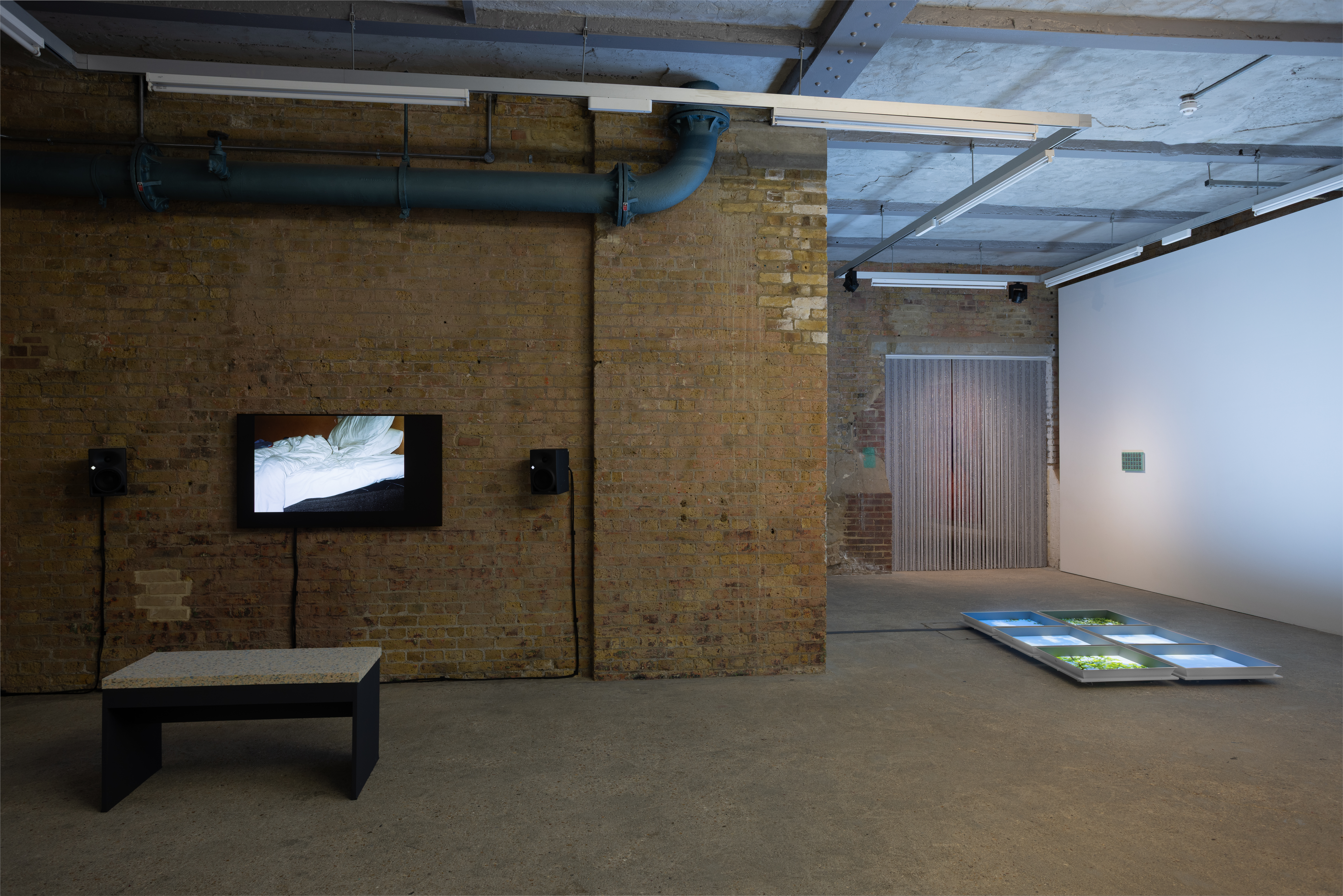
Flare-Up at Goldsmith’s CCA brings together nineteen artists whose work engages with illness, disability, neurodivergence, and deafness through sculpture, installation, painting, film, poetry, music, and performance. The title refers both to the intensification of symptoms associated with chronic conditions and to a surge of energy or illumination. Throughout the exhibition, experiences often framed through limitation are instead approached through transformation, intimacy, and collective care.
Many of this month's selections explore alternate realities, imagined worlds, or forms of spiritual ambiguity. Flare-Up remains firmly grounded in lived experience, yet it arrives at a similarly uncanny place. Water, light, sound, ritual, and bodily transformation recur throughout the exhibition, creating works that move fluidly between mourning and joy, vulnerability and resilience, the ordinary and the transcendent. Rather than presenting illness as a fixed condition, the exhibition embraces fluctuation, contradiction, and interdependence.
The setting itself adds another layer to the exhibition. Housed within a former washhouse built in 1898, the building carries its own history of public health, sanitation, and institutional care. Exposed pipes, tiled surfaces, and architectural remnants of earlier health systems become active participants in the exhibition's conversations around medicine, survival, access, and the structures that shape our bodies and lives. What makes Flare-Up particularly great is its refusal to settle into a single narrative. The exhibition reveals worlds that often exist in plain sight yet remain overlooked. The result is an invitation for viewers to reconsider how bodies are understood and how care, community, and resilience are imagined.
Piotr Bury Łakomy: Zjawa w Ogrodzie
Super Super Mrkt | Brunnenstraße 22, 10119 Berlin, Germany
July 16 - August 30
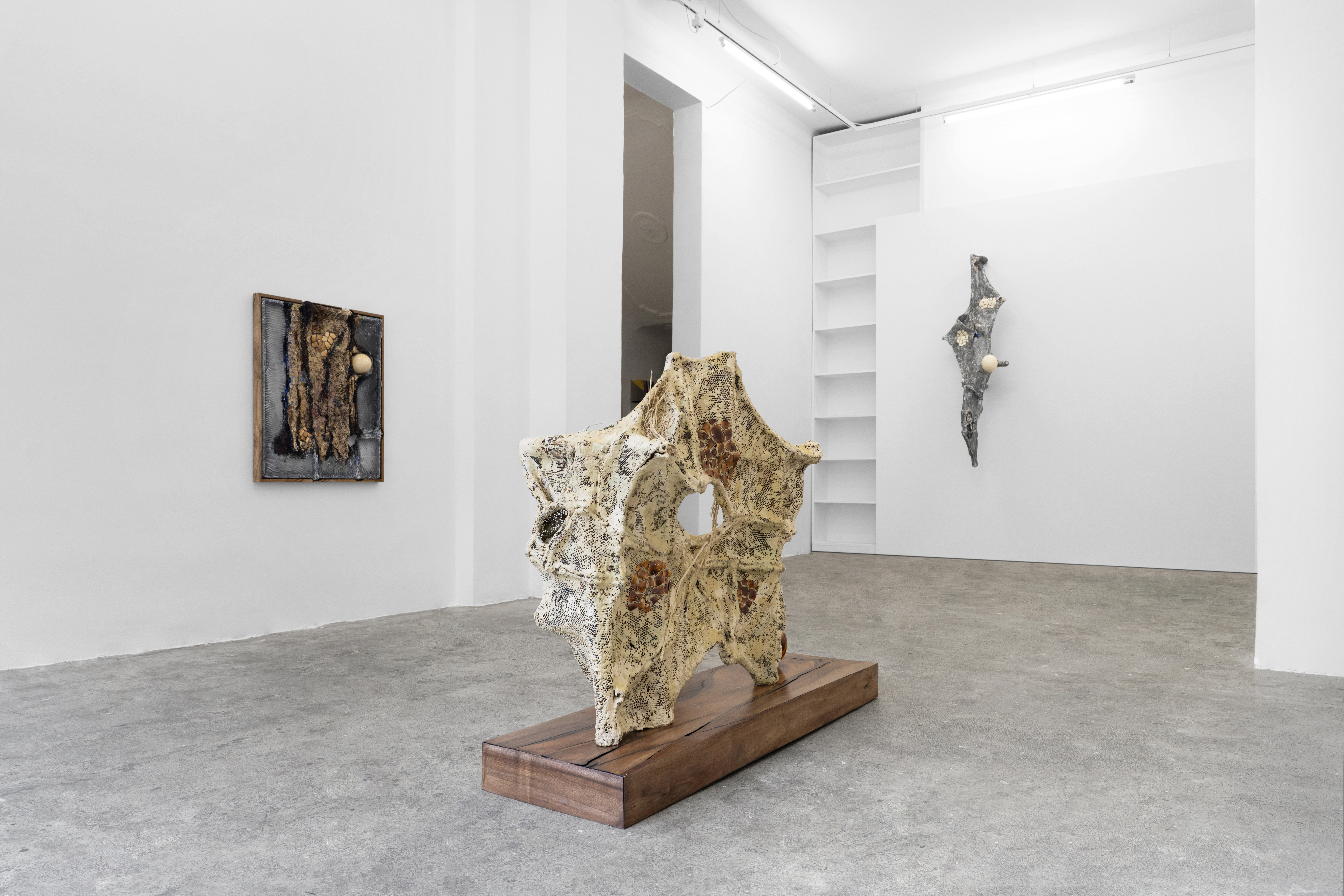
Piotr Bury Łakomy's Zjawa w Ogrodzie (A Phantom in the Garden) at Super Super Markt transforms industrial materials into objects that feel unexpectedly organic, creating an exhibition where architecture, nature, and memory become difficult to separate. Bringing together two bodies of work that the artist has developed in parallel over several years, the exhibition treats both the phantom and the garden as intentionally fluid ideas. Neither function as a fixed image. Instead, these works don't tell viewers what to think. They leave room for curiosity.
What drew me to the exhibition is its refusal to separate the natural from the constructed. Aluminum honeycomb panels shimmer like foliage, while surfaces evoke sunlight filtering through trees. Throughout the exhibition, industrial materials take on an almost living quality, blurring the line between what has been built and what has grown. The garden becomes less a physical location than a way of seeing, existing somewhere between shelter and exposure, presence and absence.
That ambiguity extends throughout Łakomy's practice. The artist frequently explores the relationship between the body, architecture, and the environment, often working at a human scale that encourages viewers to move through the work rather than simply observing it. References to shelters, homes, windows, doorways, and domestic space appear throughout the exhibition, grounding even its most abstract gestures in familiar experiences. Rather than presenting architecture as something fixed or permanent, Łakomy treats it as something porous, adaptive, and inseparable from the natural world around it.
The phantom never fully appears, and the garden never settles into a single form. Like many of the exhibitions featured this month, the work offers no definitive answers. Instead, it invites viewers to linger a little longer, allowing meaning to emerge gradually through observation, movement, and association.
Helen Marten: This Weather
Sadies Cole HQ | 17 Savile Row, London
May 27 - September 12
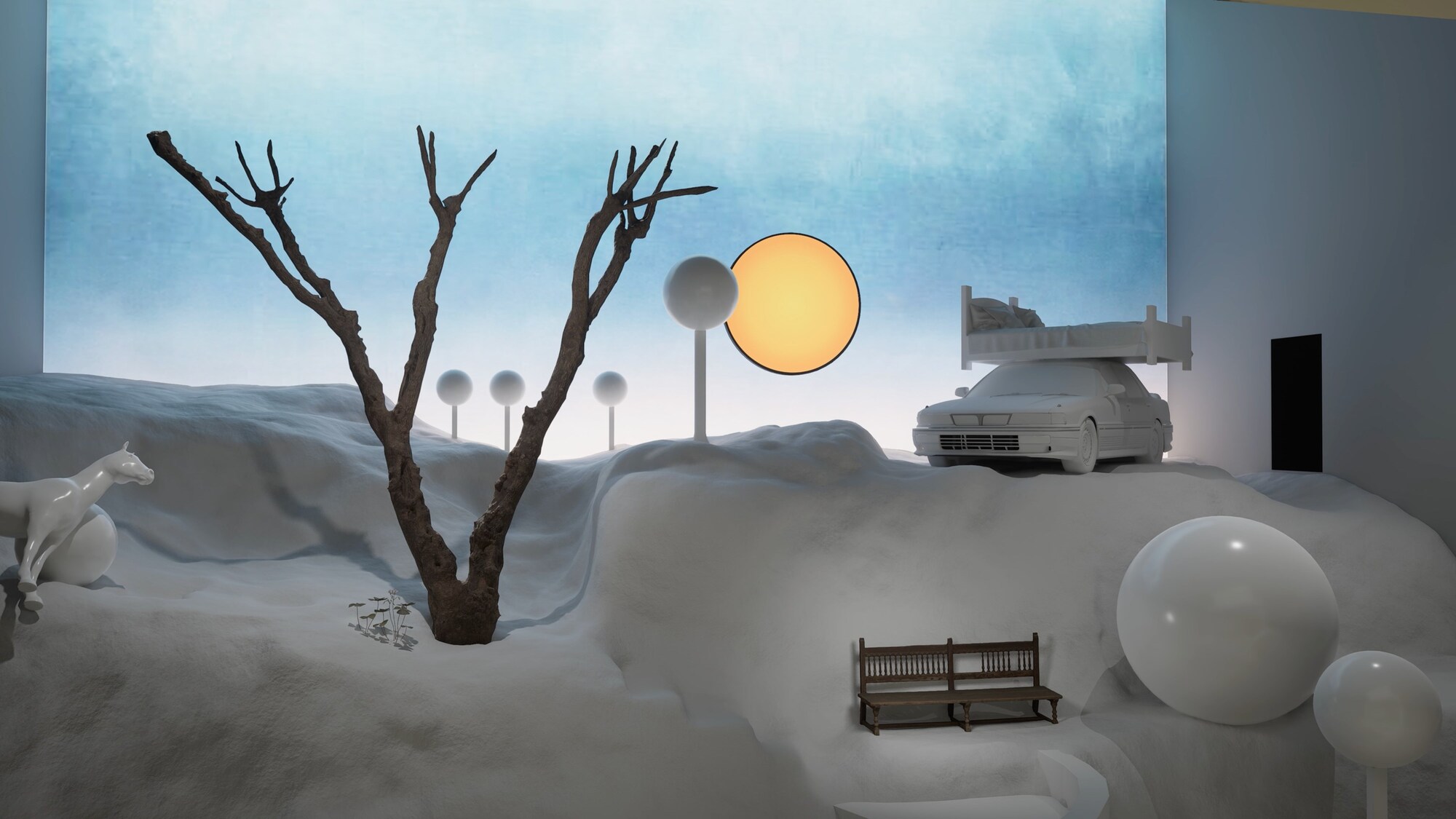
Helen Marten's This Weather at Sadie Coles HQ presents a work that unfolds across a five-chapter film installation structured around a sequence of symbolic roles: child, mother, lover, patient, and widow. Combining moving images, animation, sound, and a series of interwoven monologues, the work offers a meditation on the different ways people experience care, intimacy, self-reflection, loss, desire, and community. Rather than functioning as literal characters, the child, mother, lover, patient, and widow become entry points into these broader ideas that pose larger questions about how we move through life. Their experiences remain open enough for viewers to recognize fragments of themselves within them.
A mother can represent care, but also empowerment. A widow can speak to futurity as much as grief. Each role expands beyond the individual and becomes something collective. This openness extends throughout the work's broader universe. Marten weaves together weather, animals, physical materials, emotional states, and narrative fragments into what she describes as a molecular world. I was drawn to the way seemingly unrelated objects and images are allowed to coexist, creating a sense that everything is connected through an underlying logic that remains just out of reach. The result feels less like a story and more like an ecosystem of associations. This Weather is able to hold multiple perspectives at once by moving between personal and collective experience, physical and psychological space, intimacy and distance, never fully settling into a single interpretation. Like the weather itself, meaning shifts as the work unfolds, rewarding viewers willing to spend time with its connections rather than search for a definitive answer.
Arghavan Khosravi: The Shape of Absence
König Galerie | Alexandrinenstraße 118-121, 10969 Berlin
July 17 - August 30
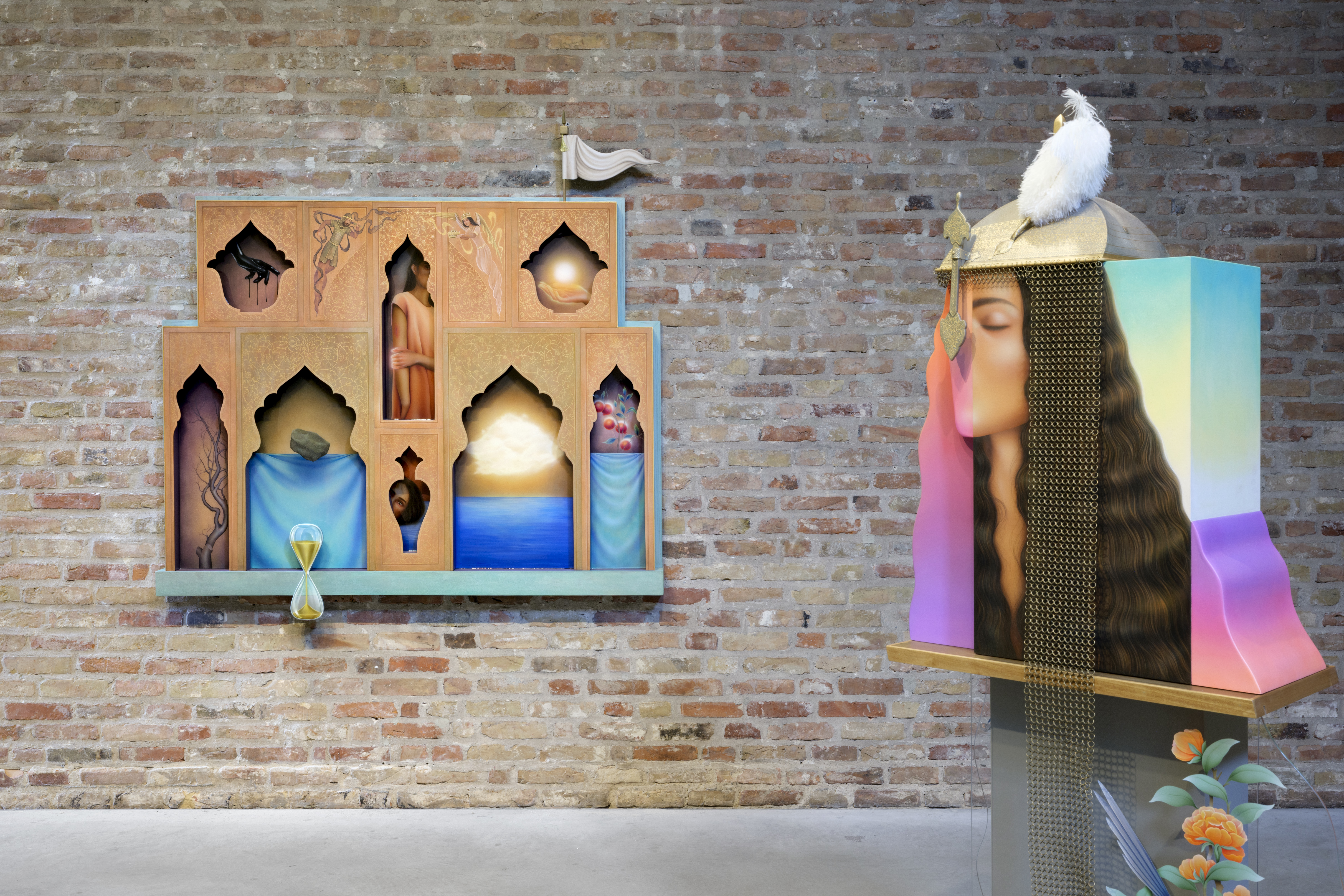
Arghavan Khosravi's The Shape of Absence at König Galerie showcases one of the most recognizable visual languages currently in circulation. Born in Iran and now based in the United States, Khosravi draws from personal experience, Persian visual traditions, architecture, and contemporary politics to create layered works that feel immediately her own. Fragments of figures, veils, cages, hands, pomegranates, shadows, and architectural openings appear throughout the exhibition, creating images that touch on visibility, power, freedom, and restraint without becoming overly literal. The paintings themselves break beyond the traditional canvas. Surfaces are carved, layered, and extended into sculptural forms. Architectural facades such as doors and windows open apart, figures appear suspended between planes, and the work begins to function as both painting and object.
What continues to draw me to Khosravi's work is her remarkable sense of composition. Even when the paintings are visually complex, the eye moves through them naturally. Elements reveal themselves gradually rather than all at once. The exhibition's recurring symbols create a sense of narrative without ever fully explaining it. A pomegranate can suggest renewal, an hourglass can allude to the passage of time, a hand stained black with oil becomes a reference to the political influence and systems of power built around that resource, while partially obscured figures and architectural barriers reinforce recurring themes of visibility, freedom, and control. These details never feel decorative.
What I find most compelling is that the paintings remain open without feeling vague. The symbolism is rich, but viewers do not need to decode every reference to engage with the work. The compositions draw you in immediately, while the details reward closer attention and reveal new connections over time.
Pierre Huyghe
Fondation Beyeler | Baselstrasse 101, 4125 Riehen, Switzerland
May 24 - September 13
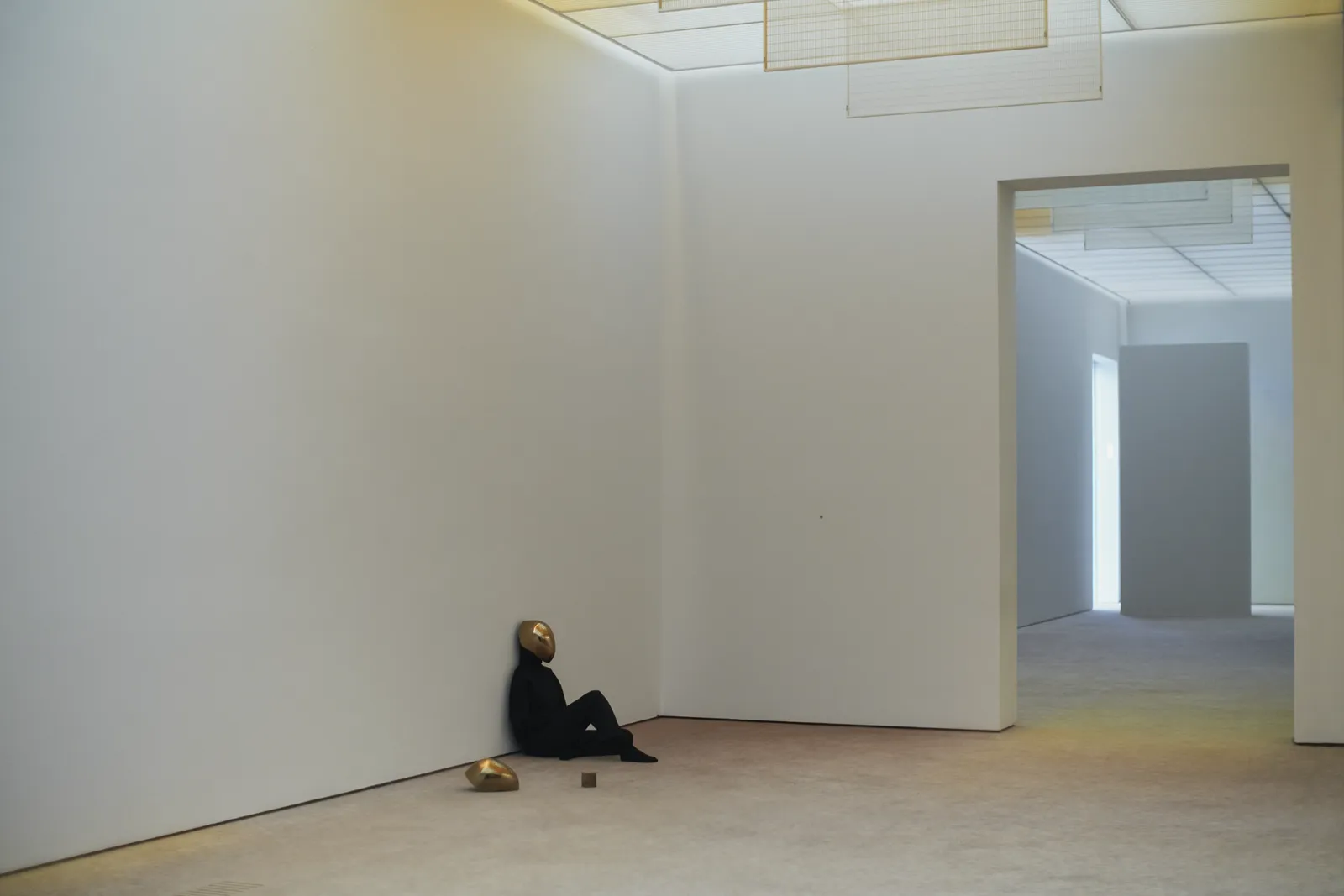
Pierre Huyghe's environments often feel less like exhibitions than worlds that have been stumbled upon mid evolution. Film, artificial intelligence, sound, vibration, biological systems, and speculative fiction are brought together into spaces that operate according to their own logic. Unstable realities where distinctions between living and nonliving matter blurs and interior and exterior states begin to dissolve.
The exhibition arrives at a moment when discussions around artificial intelligence, synthetic imagery, and post-human futures increasingly shape everyday life. Huyghe does not present technology as a tool or solution, nor does he build a world where perception ever fully stabilizes. Instead, technology and otherness appear as part of a larger ecology in which humans are no longer necessarily at the center. Quantum systems, AI generated imagery, non-human forms of intelligence, and biological processes all become part of the same environment. The result can be disorienting, and at times even unsettling.
In a project concerned with systems, abstraction, and states beyond human subjectivity, the individual can sometimes feel secondary to the larger framework. Yet that tension is part of what makes the exhibition worth engaging in. Rather than offering a clear position, Huyghe creates a space where questions about technology, consciousness, identity, and the future remain unresolved. More than anything, the work left me with thoughts about what a post-human imagination might look like. Not robots replacing people, but a world where the boundaries that once felt stable no longer hold. Another part of the exhibition's appeal lies in how closely it aligns with broader cultural fascinations that have emerged online. Liminal spaces, backrooms imagery, and AI generated worlds, all circulate widely because they capture a shared sense that reality is becoming harder to define. Huyghe's environments tap into a similar feeling. Whether approached with excitement or skepticism, it is difficult to leave without feeling that you have stepped briefly into a future that is already beginning to take shape.
Harold Offeh: Trustful Strangers Induce Fearless Aliens
The Showroom | 63 Penfold Street, London
June 26 - August 15
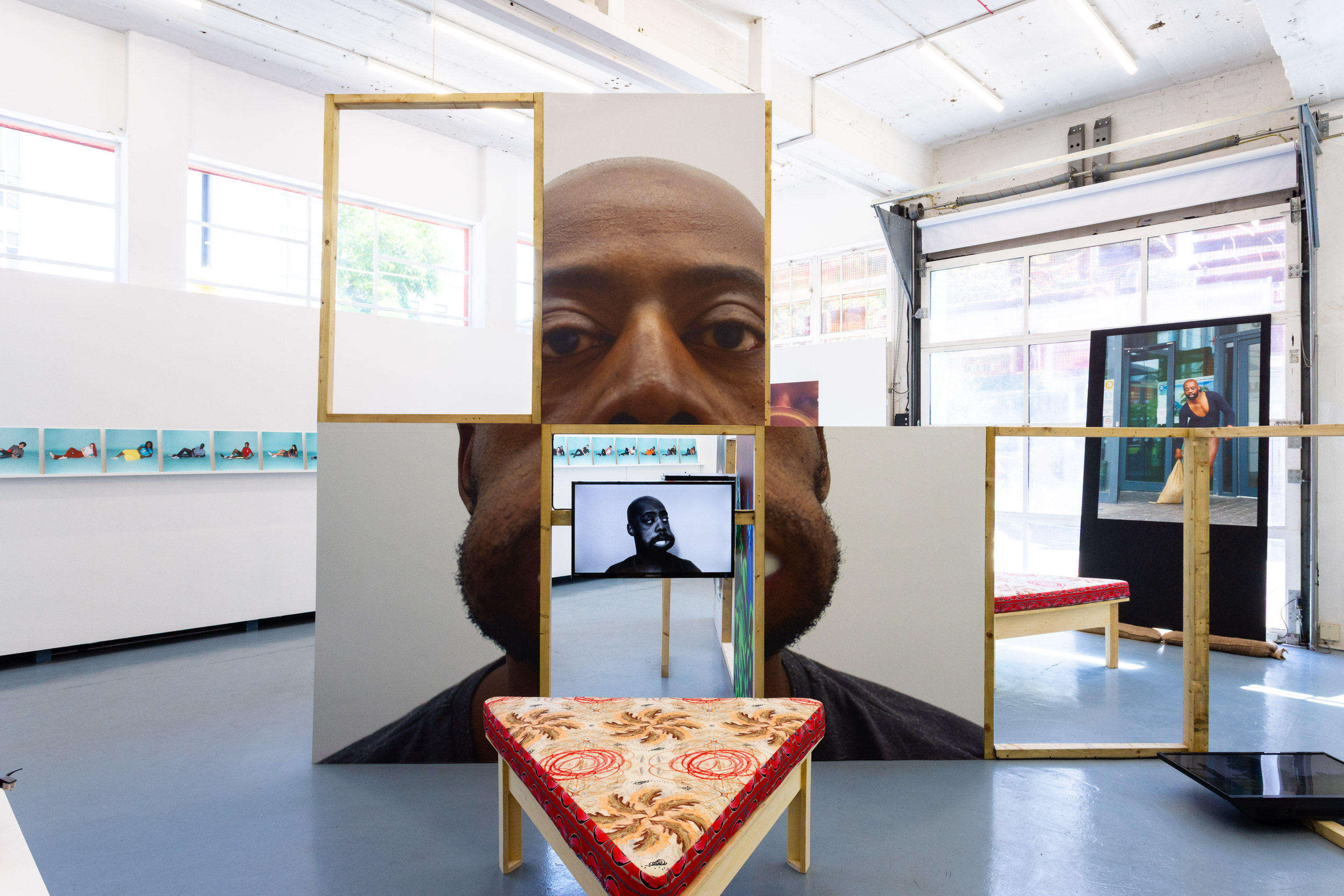
Bringing together works from across twenty-five years of Harold Offeh's practice, Trustful Strangers Induce Fearless Aliens combines video, performance, photography, installation, participation, and social practice within a colorful environment of hanging structures, loungers, and gathering spaces. References to aliens, strangers, Afrofuturism, performance, and collective play appear throughout the exhibition, creating an atmosphere that feels welcoming, humorous, and participatory rather than distant or academic.
What I appreciate about Offeh's work is that the "alien" becomes an opportunity rather than a threat. Drawing on James Baldwin's Stranger in the Village and Afrofuturism, Offeh reimagines the idea of the outsider. Across the exhibition, aliens, strangers, performers, and participants become figures through which questions of belonging, identity, and community can be explored. Rather than treating difference as something threatening, Offeh presents it as an opportunity for encounter, conversation, and connection. The unfamiliar becomes a starting point for connection, participation, and collective imagination.
Part of what makes the exhibition feel so fresh is its refusal to stay within a single medium. Video, photography, installation, performance, social engagement, and collaborative projects exist side by side, creating a presentation that feels more like an active social space than a conventional exhibition. Rather than asking audiences to remain observers, many of the works invite participation, conversation, and shared experience, making encounter itself part of the medium.
At a moment when so much of our world frames difference through anxiety, Offeh proposes a necessary view for it: curiosity. The exhibition suggests that encounters with unfamiliar people, perspectives, and experiences can expand rather than threaten our understanding of the world. In Offeh's hands, the alien becomes less a figure from another planet than a reminder that meaningful exchange often begins with the willingness to engage with what initially feels unfamiliar.
Falkken NYC: Amanda Ba
Market Gallery | Address on Request
August 1 - August 31 | Opening August 1, 6-8pm
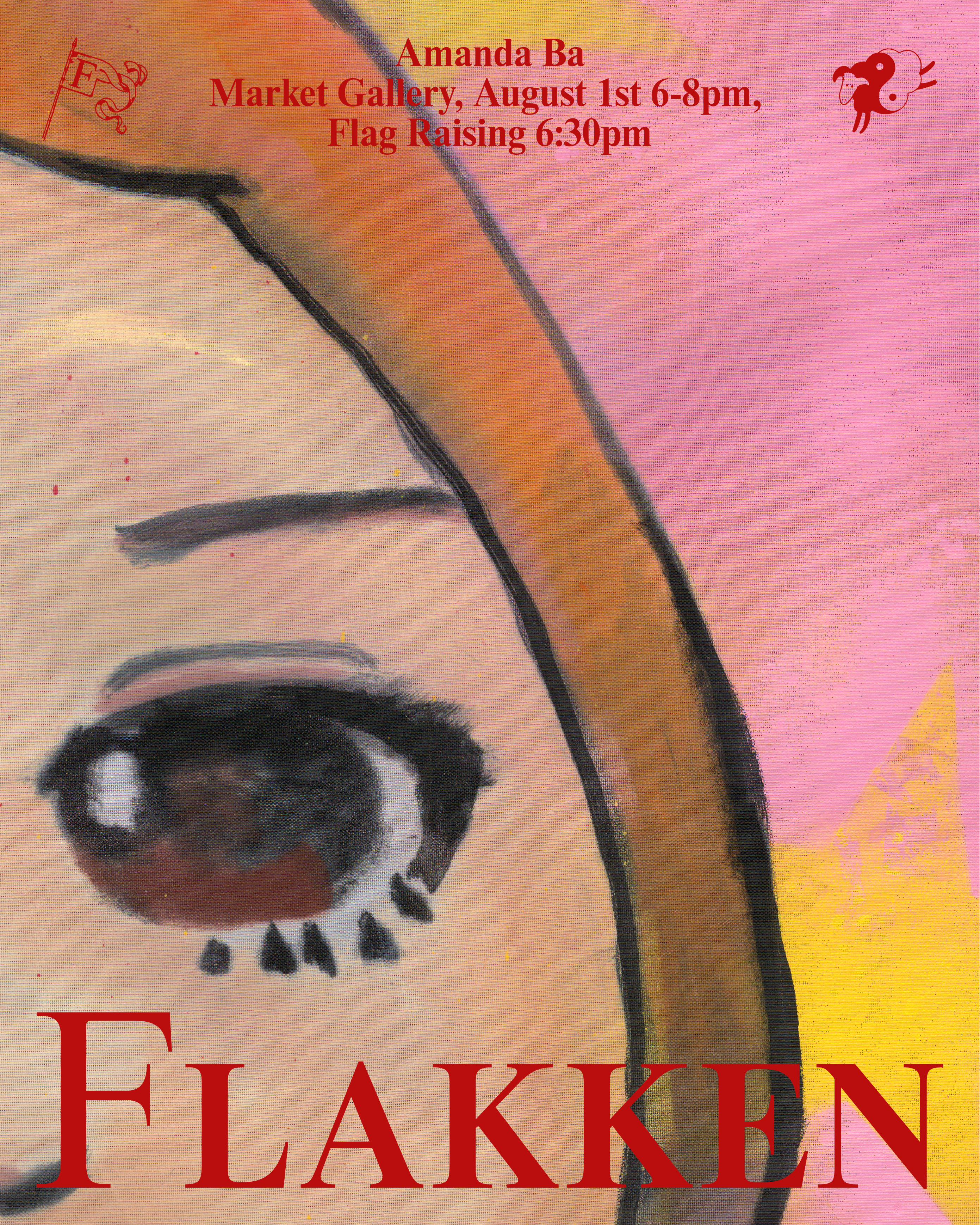
Flakken NYC, a new project presented by SAP Magazine and hosted at Market Gallery, invites a different artist each month to transform a blank flag into a temporary public artwork raised above the city. Of all the projects highlighted this month, Flakken may be the simplest concept, but also one of the most compelling. Rather than existing behind gallery walls, it enters the visual fabric of New York itself.
What initially drew me to the project wasn't any particular artist announcement, but the format. Flags occupy a unique space between art, identity, signal, and spectacle. They are designed to announce themselves, claim visibility, and gather attention. New York has always been a city where culture takes shape in public. On sidewalks, rooftops, street corners, and at gatherings that spill into the streets, ideas become part of everyday life. Raised above Market Gallery, Flakken feels right at home within that tradition. The gallery's history of bringing creative communities together through exhibitions, parties, and shared moments of encounter makes it a particularly fitting stage. At a moment when collective experience is becoming increasingly fractured, the simple act of raising a flag carries a particular resonance. Visible from afar and shared by anyone who passes beneath it, the work becomes a temporary point of orientation within the city's cultural landscape.
That said, while the format was what first caught my attention, Amanda Ba's involvement quickly became part of the appeal. I'd be remiss not to mention her here, as her work is compelling enough to warrant a feature of its own. Ba's practice frequently explores identity, nationalism, cultural perception, and the narratives societies construct about themselves. In her accompanying text, she reflects on contemporary ideas surrounding China's growing cultural influence, the gap between perception and reality, and the increasingly internet-mediated ways we understand places we may never actually visit. It's a fitting starting point for a project centered on public symbols, visibility, and collective imagination.
More than any single commission, what excites me is the promise of the format itself. Each flag contributes a new perspective while adding to a larger conversation, allowing artists to leave their mark not only on a pole above Market Gallery, but on a shared cultural moment unfolding in public view
Lucio Fontana
Galerie Karsten Greve Paris | 5 Rue Debelleyme, Paris
April 24 - September 5
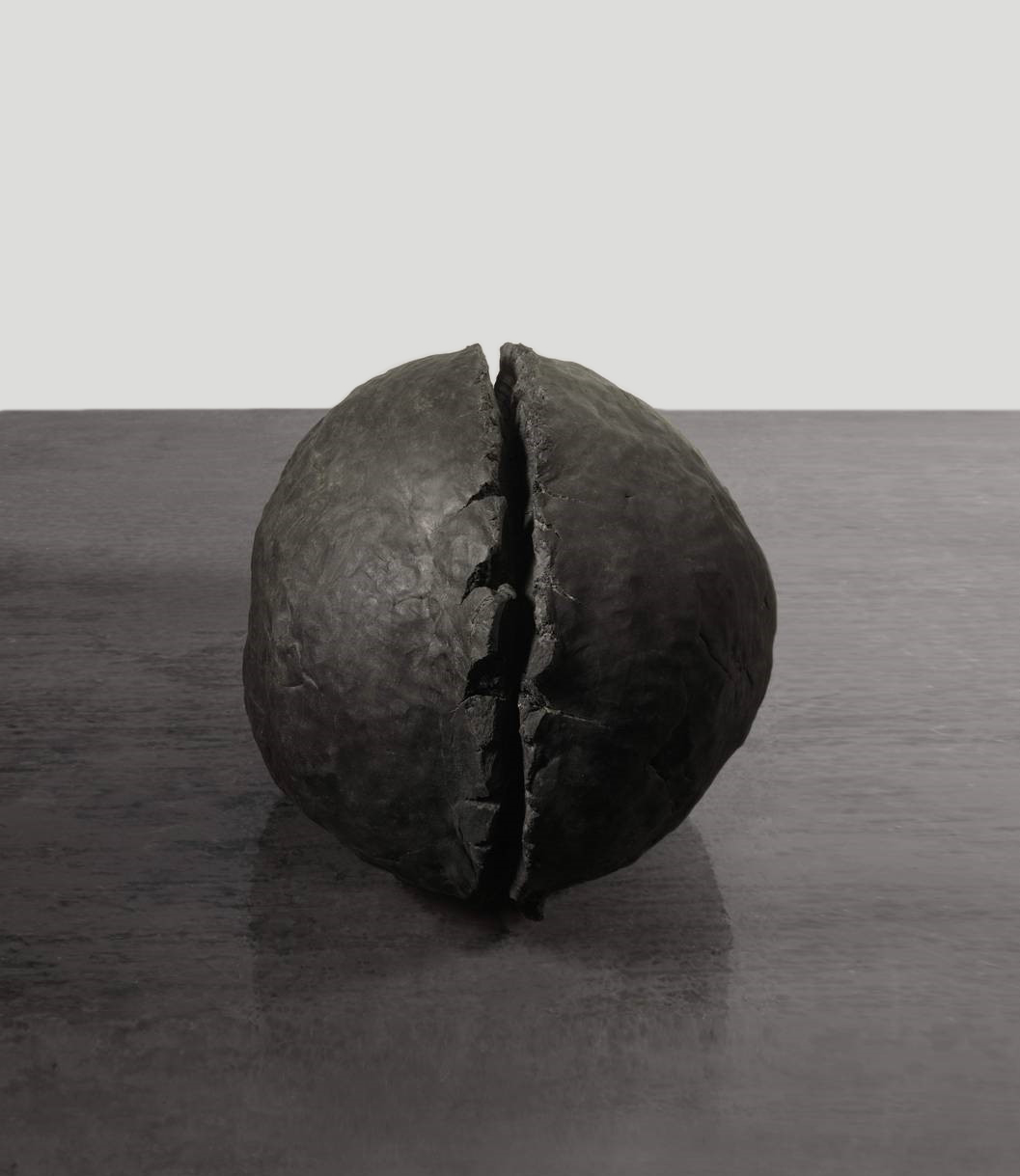
The Lucio Fontana exhibition at Galerie Karsten Greve shifts attention away from the iconic slashed canvases that made the artist famous and toward a lesser known, but equally important, part of his practice: ceramics. Bringing together works created between the 1930s and 1960s, the exhibition reveals clay not as a side project, but as a testing ground for many of the ideas that would later define Fontana's career. This exhibition shows a side of Fontana that most people don't associate with him.
One of the exhibition's strengths is the sheer variety of worlds Fontana creates through the material. A monumental Torso Italico draws from classical sculpture while breaking apart its traditional form. Elsewhere, colorful crocodiles, shells, and organic forms emerge from glossy surfaces that seem almost animated. Moving through the exhibition feels less like tracing a single artistic style and more like following a series of creative detours, each offering a different glimpse into Fontana's imagination.
One of the exhibition's strengths is the sheer variety of worlds Fontana creates through the material. One of the exhibition's most striking works is Torso Italico (1938), a monumental figure inspired by classical sculpture that simultaneously embraces and disrupts those traditions. Elsewhere, religious scenes, fragmented bodies, shells, fruits, and organic forms reveal an artist pushing clay beyond its conventional limits. The ceramics feel restless. Surfaces twist, expand, perforate, and vibrate with energy long before Fontana began cutting into canvas.
Most viewers arrive knowing Fontana through the slashed canvases, only to encounter an entirely different side of the artist. The ceramics reveal an interest in storytelling, material experimentation, religion, nature, and even humor that is often overshadowed by his later work. These sculptures help explain how Fontana arrived at some of his most important ideas in the first place. The exhibition begins with something familiar and gradually leads to somewhere unexpected. In looking beyond Fontana's most famous gesture, viewers discover an artist far more expansive, playful, and inventive than the art historical shorthand often suggests.


