




I just moved to New York, which means I can’t hide anymore. I can’t hide behind time zones like I always had, or from the insatiable hunger that thickens the air, or from this new sound of freedom, most comparable to the pitch of the fork scraping takeout off of my hand-me-down Ikea plates. This city acts as a harsh glare into every corner of your consciousness, a magnifying glass held up to every desire, insecurity and question you thought you could keep dormant. You need a certain amount of inner insulation to move through New York unscathed. I don’t have it.
I am porous. Everything gets through to me, or at least leaves a mark. What I think is incredible, scary, dumb, powerful, you’ll find it somehow, somewhere. I can put on a chill girl costume or toggle the controls of my ego, but it doesn’t take. Something will rise within me, often my heart rate with it. For a while, I saw this as a weakness. I associated greatness with impermeability, the ability to go through the day untouched, to come out of it the same as you’d come in it. I would need, desperately, I imagined, fewer points of entry. So fewer things could get in, fewer things could knock me off course, fewer people could make me feel, do, or be, anything I hadn't already decided to feel, do, or be.
All the while, Archie Lee Coates IV seems to have built his entire practice by doing the opposite.
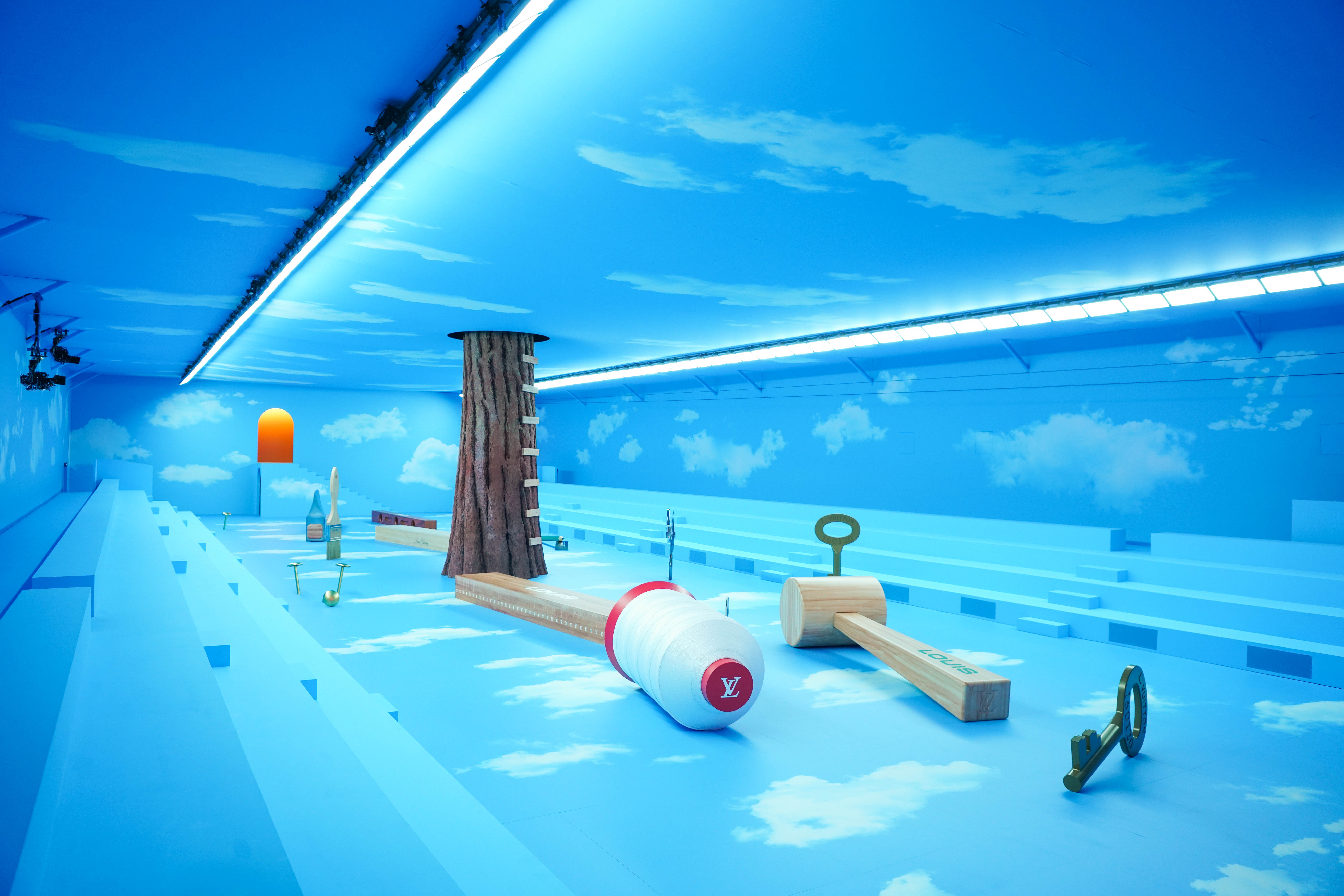
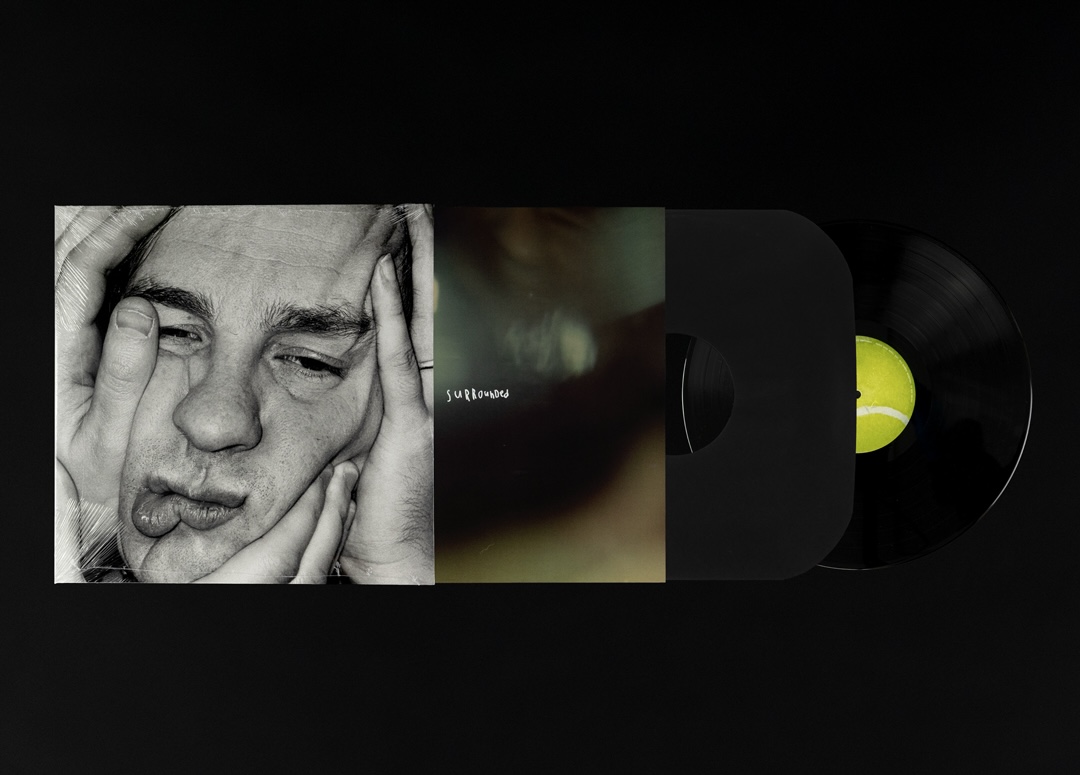
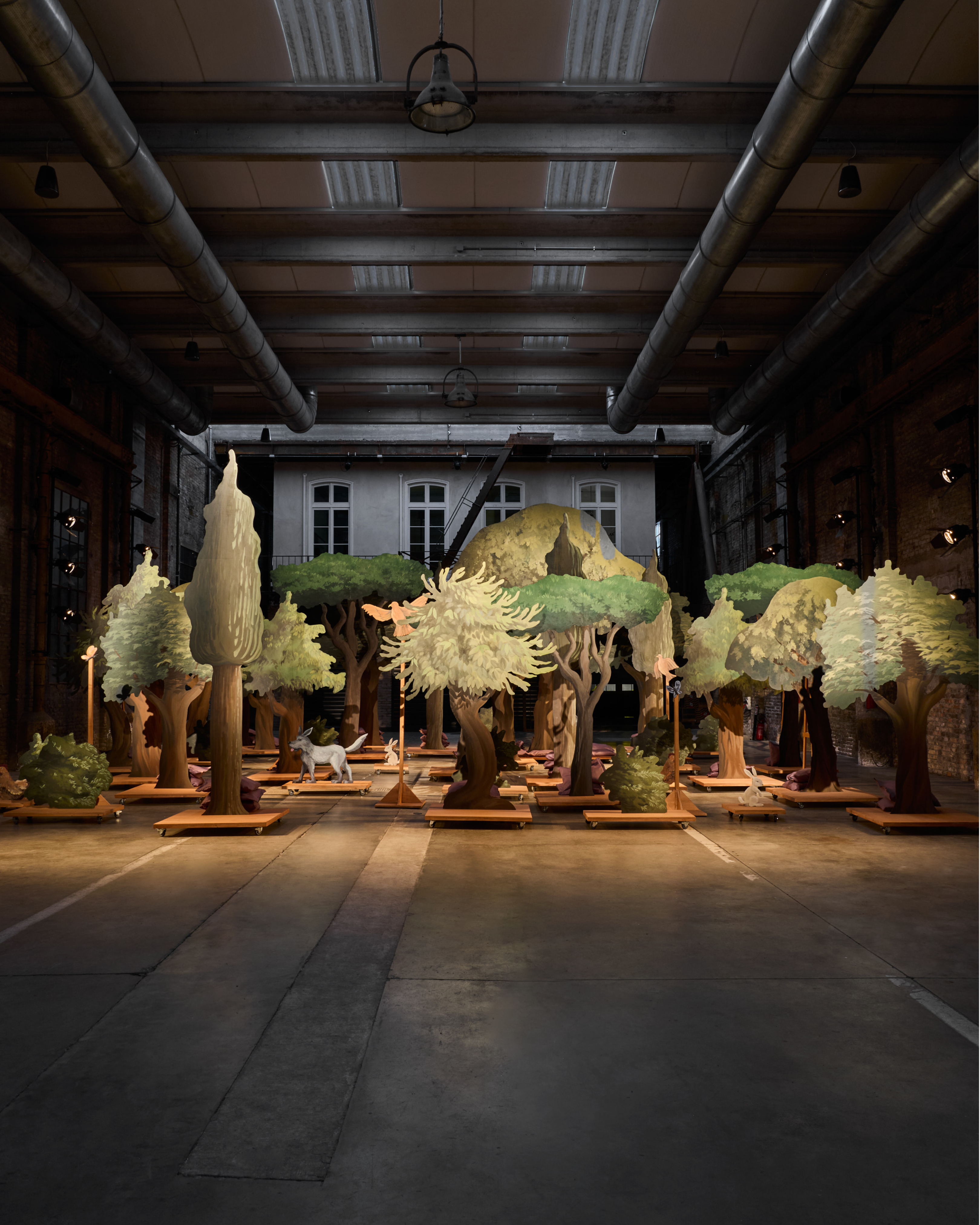
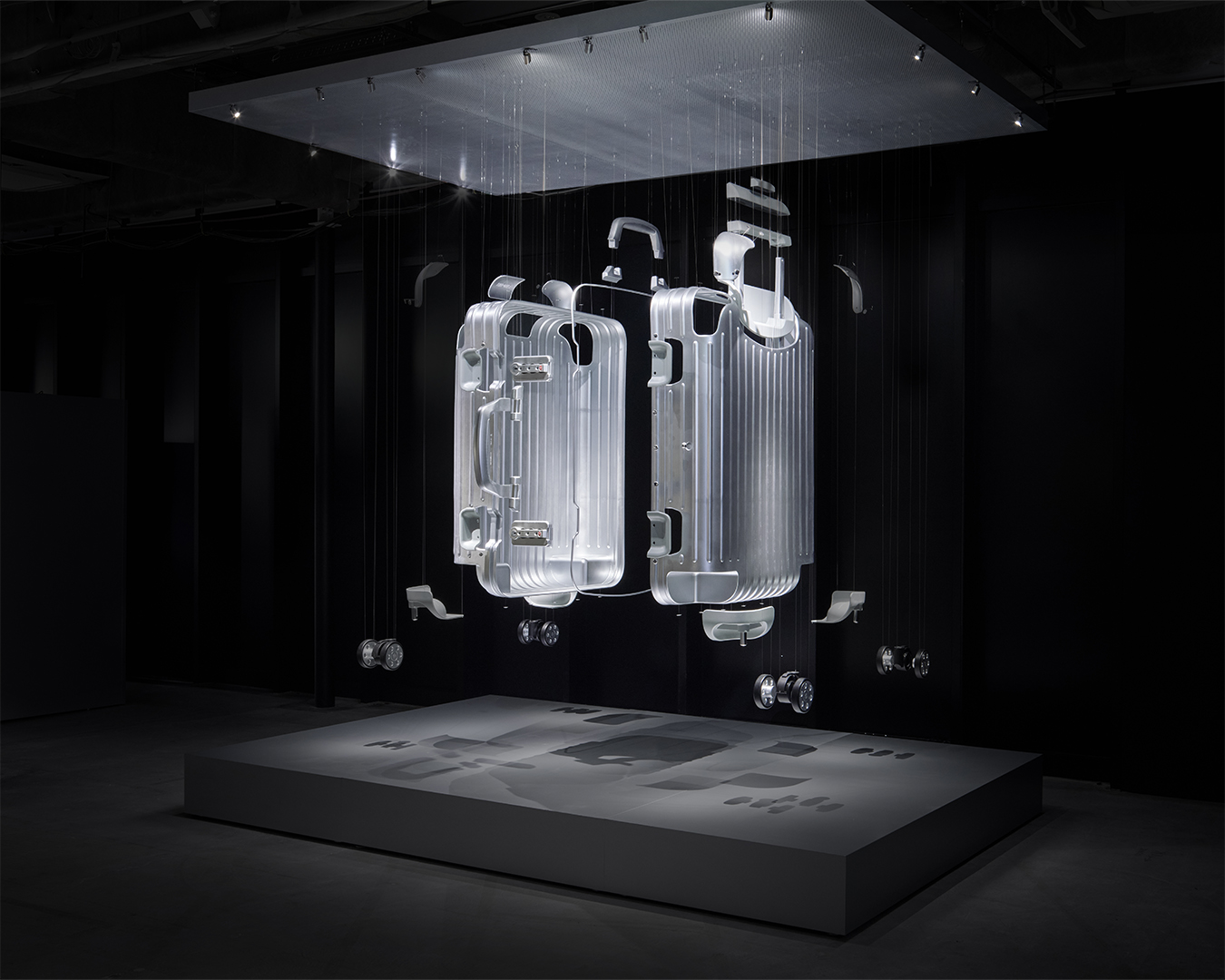
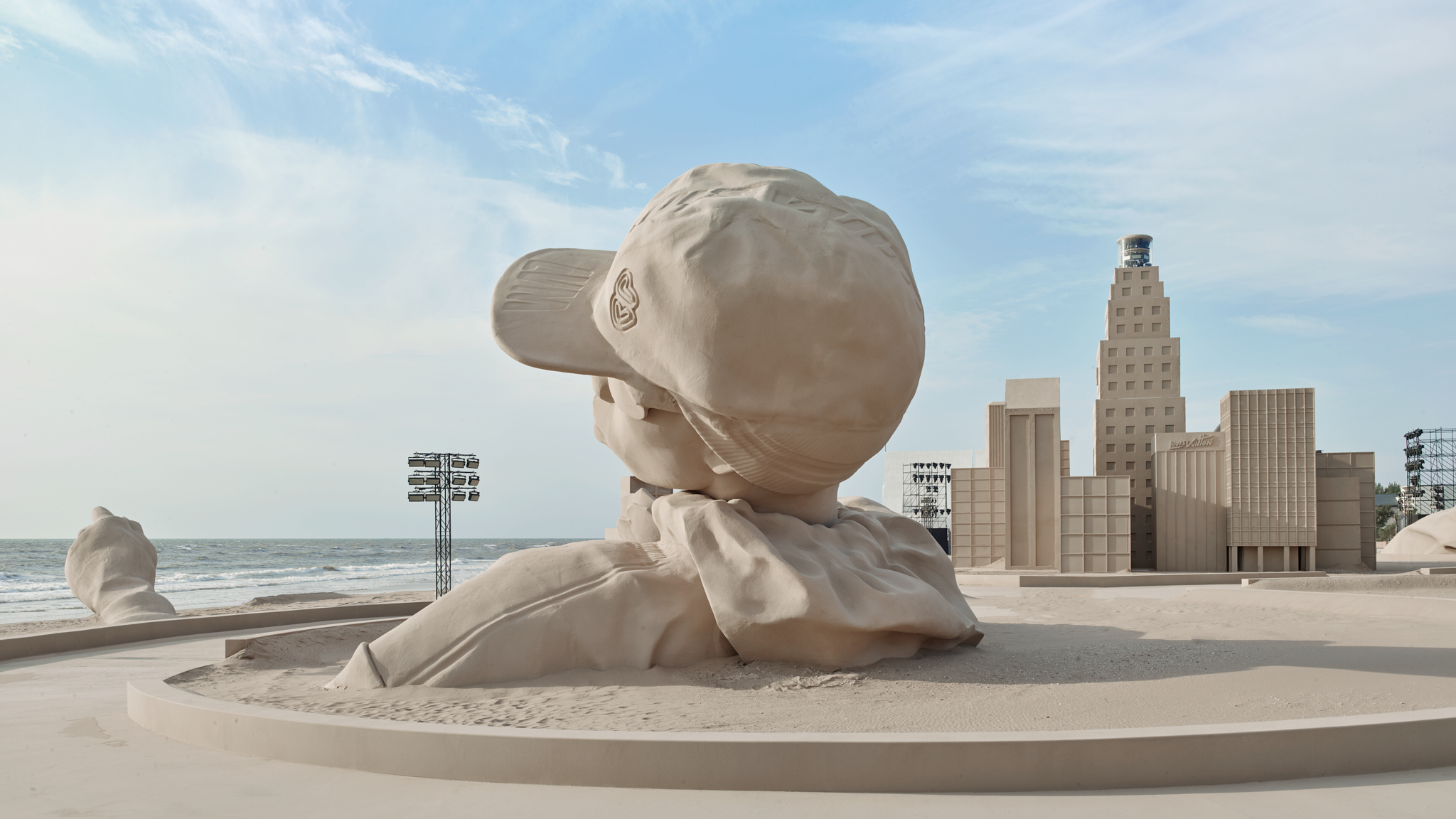
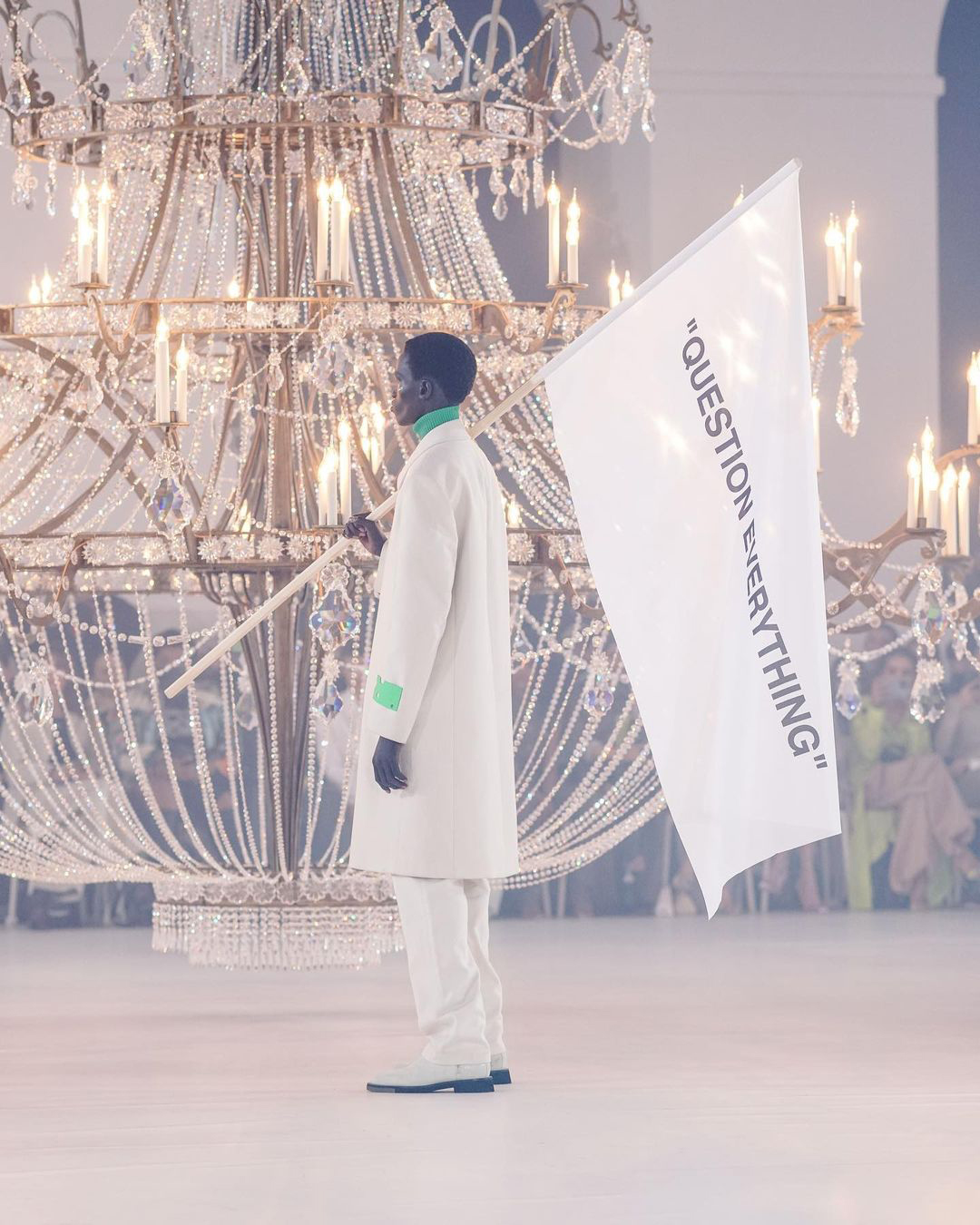
Archie lets things in. People, disciplines, ideas, feelings. And rather than making him less singular, the accumulation seems to have made him more so. In Archie’s world, nothing is hidden or downplayed; it’s metabolised. His practice reads like a collection of things that initially felt threatening before evolving into little power-ups, like the turtles in Super Mario. An Interactive Four-Story Flagship in Seoul, a near 400 page footwear monograph with Rizzoli, Post Malone’s album artwork featuring a 1971 Ford pickup truck suspended over a reservoir in Jalisco, Mexico, brand identity for a museum inside a formerly abandoned building in Accra, and close collaborations with Virgil Abloh, shaping both Louis Vuitton and Off-White runway concepts. The most recent thing he has managed to pin down and materialise is an ambition that has lived in him for thirty years: songwriting under the moniker Otto Milo.
Archie co-founded PLAYLAB, INC. in 2004 with Jeff Franklin. The studio describes itself as “extremely multidisciplinary,” which reads a little funny to me because it is so matter-of-fact. “Multidisciplinary” alone, a word the creative world deploys liberally, feels insufficient, but in an era obsessed with the personal brand, this team just puts “extremely” in front of it and gets back to work. PLAYLAB realizes ideas across a wide range of scales by creating fashion shows, films, furniture, installations, books, brands, artworks and more, through creative and art direction, strategy, design and production. Extreme.
But not everything he’s taken on and taken in has been easy to carry. There’s the broken machinery of an industry he loves, collaborations gone awry, people who have turned on him, experiments that cost more than they returned, and the anxiety that he still feels before entering a new room. Tthe night we spoke, he was off to Christie’s, where a bespoke PlayLab chair was joining the work of established furniture designers he had long admired. He has learned, though, not to confuse discomfort with a reason to stop. He continues to let it all in. Archie is attuned to his own ebbs and flows: “I recognize when I'm in a flow state. And I also recognize that the valley's around the corner.” He tries to give himself grace whenever he can, accepting that he can’t control everything, only what he does with the day in front of him.
“My goal is not an individual project or a dollar amount. These things are laughable. It's that I want to be able to walk into the studio the next day. Because I see it as a privilege, in every sense of the word.”
He still talks about the next thing with the same unadulterated uncertainty: there is no answer, no path, no guide. What there is: nurtured relationships, a dose of optimism, and, most importantly, he believes, the ability to protect yourself to still be capable of doing it all.
This is how, years into his career, he is able to do, feel, create:
“Anything, over time”.
In early September, I was having a conversation with Archie and finding myself with more and more to take away from it. At some point, I decided to stop the conversation and put him through a formal Pilot interview, so I could share some of it with our readers. The following text has been edited for clarity and length.
[divider]
I found the place we got to in our last conversation interesting, so I want to pick up there — we were discussing how the functionality of something is intertwined with the psyche of its inventor.
I want to get into how your brain works, and the systems in there that have made your practice so singular.
But we're gonna start a bit smaller with, I wanna just hear about a piece of media that you've connected with lately.
Archie: Oh, that's easy. My wife and I have really gotten into this YouTube trend of “slow TV”. It's like normal people that are doing something and then documenting it. And I stumbled upon this guy, this British guy who has a historic chateau in France outside of Paris. It had this really awful fire, and he, with friends, has been rebuilding it, brick by brick. He'll set up the camera or fly a drone and just do his thing. We’ve followed this journey for over two years. It makes me feel connected, to people, to the world, and it makes me feel calm. So every morning, after my son eats breakfast, we drink coffee and watch 30 minutes of slow TV.
That sounds so nice. As a creative person, are you the blinders on type of person when it comes to the things that you consume?
It's a good question. While I don't know if I have blinders on with it, I definitely naturally gravitate toward things that are connected to whatever I'm interested in, in that moment. In the case of the slow TV renovation example like Martijn Doolaard, it's a bunch of things. It's a fantasy of doing something like that, almost an escape. It's an anxiety-calmer, allowing me to focus on something completely unrelated to what I'm working on, but simultaneously it's also a reference for an approach I'm taking to the promotion of my next album. For what I listen to, that one's been real interesting, and has changed drastically in the past couple years. Ever since getting deep in the songwriting, recording process, I quite honestly stopped listening to music that wasn't ethereal music while I'm working, or podcasts that help me understand more about what I'm doing. Maybe it's because I don't want to pollute the songwriting process with references, or maybe I'm just so tunnel-visioned on making music that I can't get through a song without thinking of what I'm working on.
How else does being in the industry change the way you consume things?
Archie: I think that because I'm a creative person, I feel smart enough to understand what I'm seeing and what I'm not seeing. If that makes sense. Like, I feel pretty good about that. I just got off a call with a client and we were talking about how the bastardization of the word authenticity is now a problem.
… I also think, with a lot of creators, there's a lot of ego and a lot of “I know better than you,” and you're like, well, that is not the point of creating. When people get kind of ego or defensive or competitive in the space, it's pretty funny to me. Jeff and I operate so much in our own world. Like, we've built this safe world.
I hope that wasn't a tangent.
It's awesome. I do want to stop back at that point of ego. With PlayLab and just all the different projects you've been across, and the people you've worked with, when, if ever, do you play with that toggle of ego. Do you have to?
Archie: I think it comes out in self permission to take the next step—because I've learned that the successful career is rooted in consistency.
My goal is not an individual project or a dollar amount. These things are laughable. It's that I want to be able to walk into the studio the next day. Because I do see it as a privilege, in every sense of the word.
So by nature of that, I think the nature of PlayLab is that we are not the best. That we are not the greatest, that we are venturing into new territories constantly. It doesn't even matter if it's a new discipline. It could be of the same discipline. But even within the discipline, we take on projects or initiate products because we want to try something that we haven’t. It's not necessarily always profitable because R&D, innovation, all these things are expensive. You spend time and resources when you attempt to understand something. And that's fine, man.
So the ego doesn't come into play, because we're constantly feeling like we're the underdog. I, or we, don't feel entitled to a stature, a magazine article, an Instagram post, an amount of likes, a certain person liking me or the work. What I want to do is continue to do this. And I want to feel something by making this stuff. Sometimes it's just the act of working with other people, clients, a collaborator, external team members, whatever. And you know when you feel it. We're in a rhythm, in a flow state right now, where the decisions we're making are not desperate or unconnected from each other. They feel like the same breath.
Jeff and I are not confident. We're sort of like the least confident people. And the things that we're working on right now scare us. But going into that fear is what's so exciting. And part of us going into these fearful zones is that you could feel people almost being like, okay, try that. Like, good luck. And I like that. So maybe ego enters there…
That’s fuel for me, because at the end of the day, we're building an audience for the things that we make all the time.
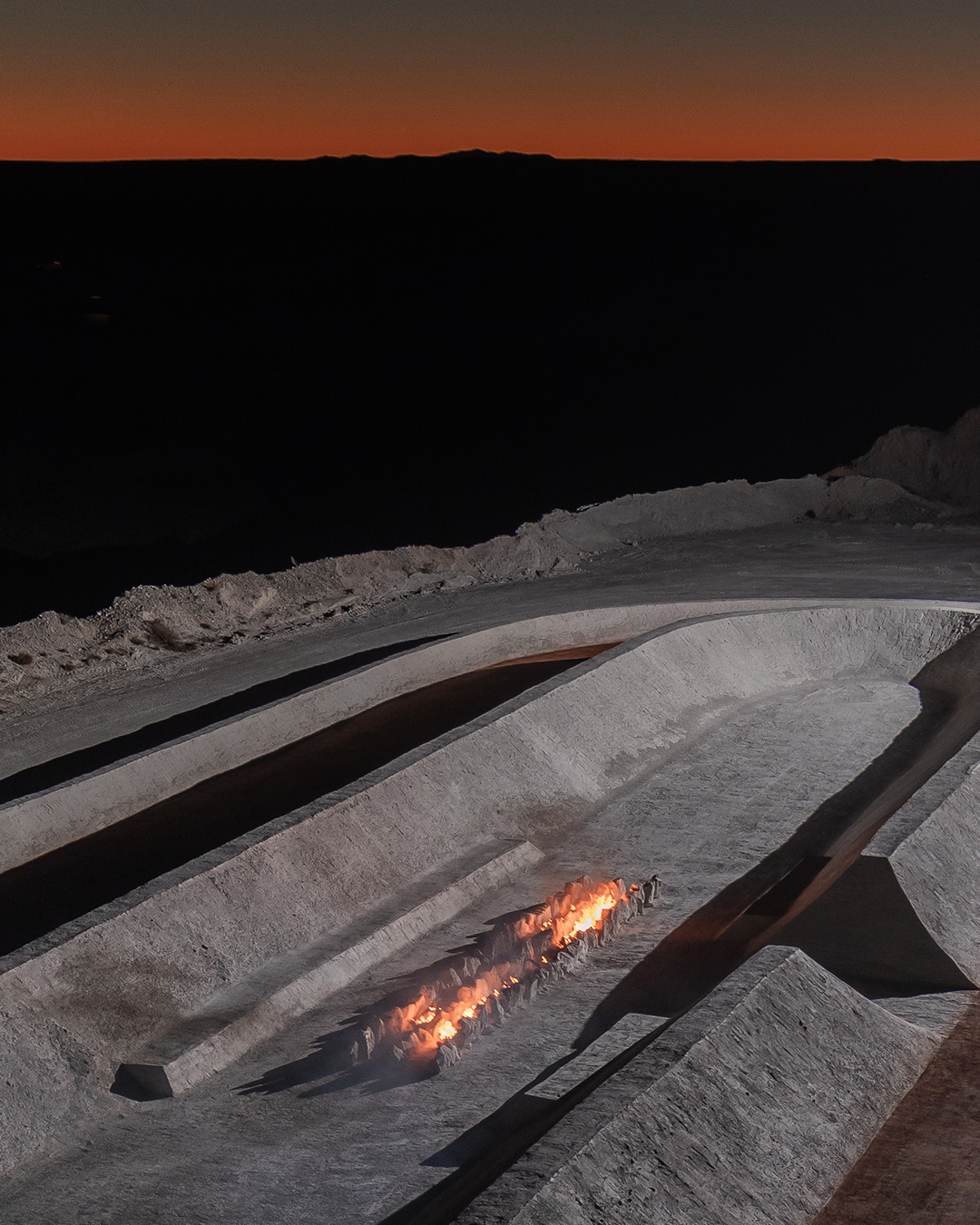
Interesting, building the thing and actively building the audience for it too.
Archie: Yeah, full circle to the YouTube people. It’s like, they're finding their audience. It’s like old school art patronage. I'm trying to find the people that want us to continue doing this. It's like an artist selling a painting for a million dollars allows them to continue to make more paintings. Without the goal of necessarily being wealthy, you know, it's truly the ability to do the next thing.
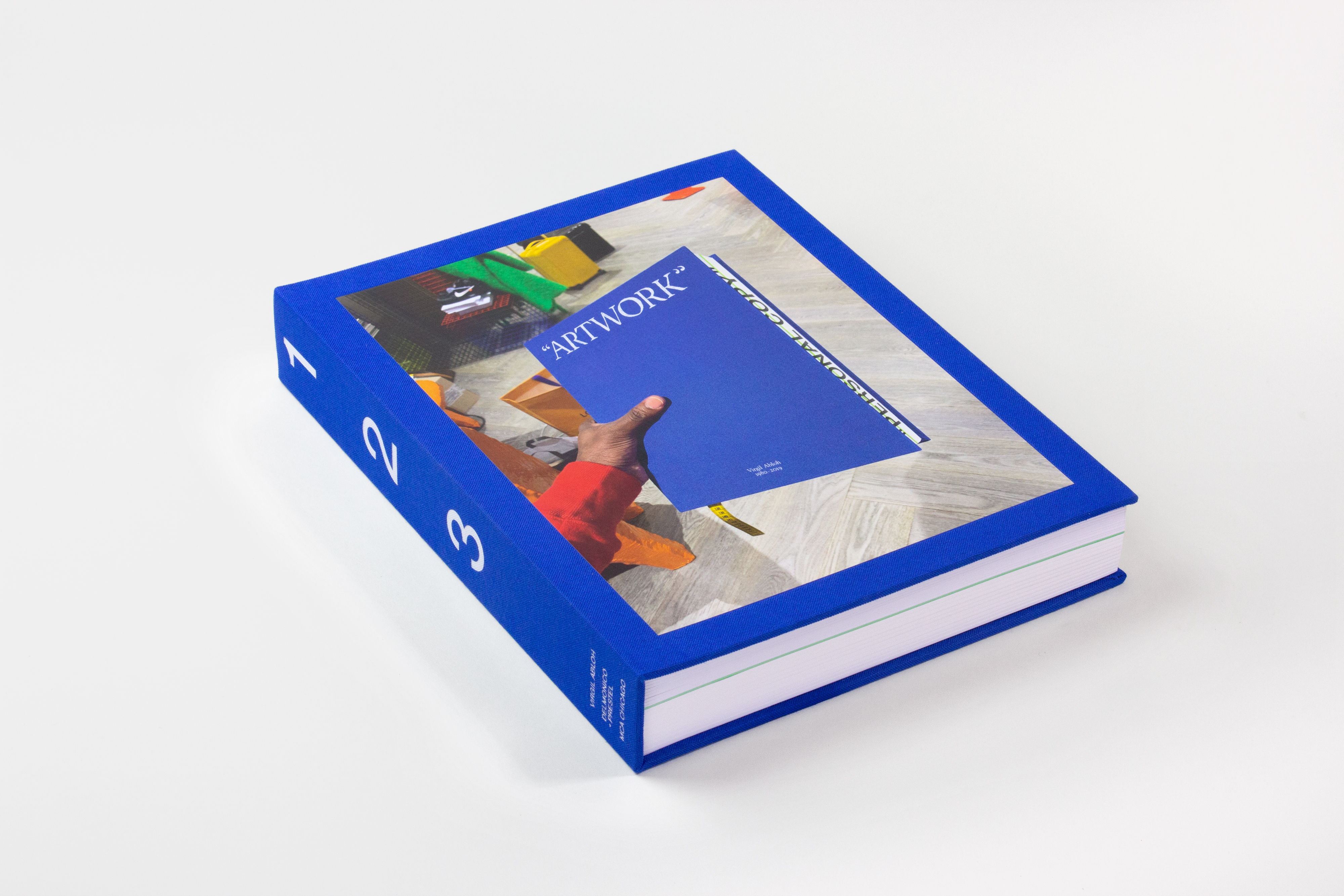
That's a Virgil methodology too. He had a quote in his book that we designed. He wrote, “In the end, it's all worth nothing compared to the ability to express the next idea.” I agree. That's how I view the world.
What’s your relationship to somebody not getting you. What does that feel like for you and how do you respond?
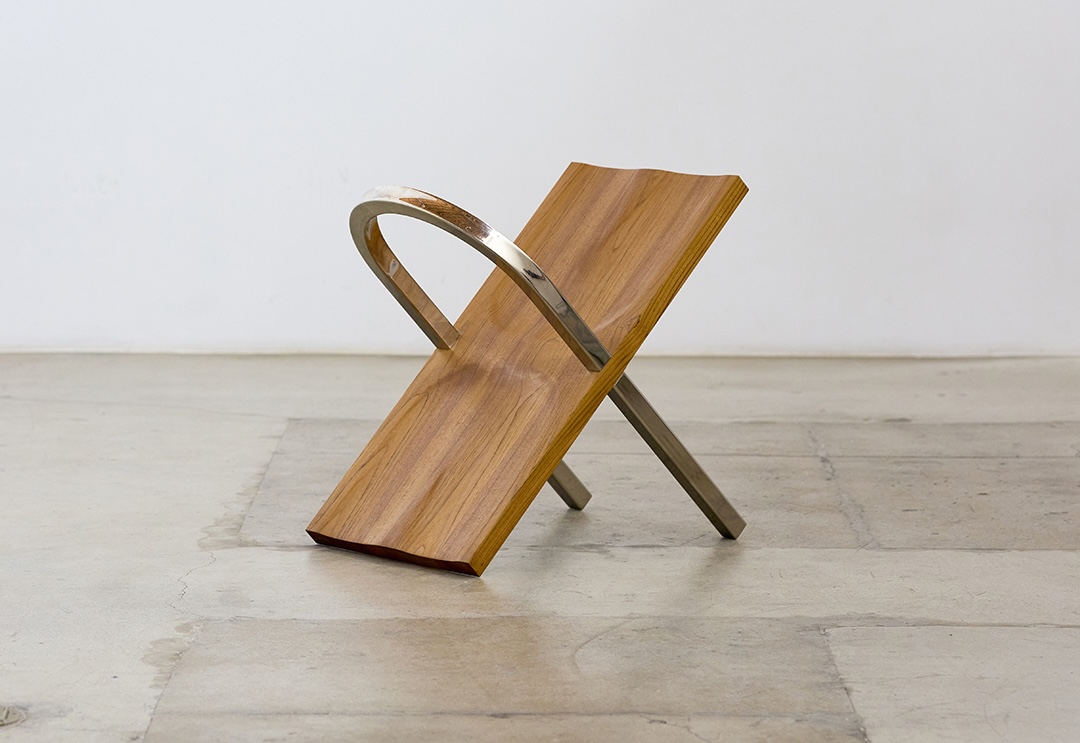
Archie: I'm an incredibly emotional person. I feel everything. But I'm smart enough to know when not to lean into it. I'll give you an example. We are really tackling product right now—furniture, objects, we have a sofa coming out, we have a shoe coming out. Tonight, we have an exhibition opening featuring our chair at Christie’s. I don't feel like an imposter. But the other chairs in this exhibit are, you know, Max Lamb, Eames. I feel like we belong for sure. But I'm feeling an incredible amount of anxiety walking into that room tonight.
But I don't want to fit in. And I mean it, I don't, I really don’t…
…Because I do believe in myself, and I believe that I'm harmless. I don't do anything to harm anybody. If anything, I open the door to everyone. I will never stop.
My dad always raised me to be like, you're never gonna be perfect, but this name that you have—which is my dad's name, Archie Coates—he's like, just think about it. You're connected to all of us. So go out and represent us. I'm just gonna be as best as I can be as Archie.
How would you describe, on the other hand, your flow state, when things are going your way. Is there anything that you do to help catalyze that, or are you more so, like, ebbs and flows, I'll take it?
Archie: I can recognize it, and then I try not to think about it because I don't want to jinx it because I know the valleys around the corner. After 22 years of this, I know it can come out of nowhere. And in the early days I’d beat myself up and really blame myself. And I still do because of my anxieties. But it's a lot less now, where it's like, I'm not in control of everything. I can only do my best every day. As a leader, as a creator. I'm trying to give myself grace through that.
Would you say, like, as it relates to PlayLab or your music coming out, are you someone—and I'm gonna butcher this—who subscribes to the notion that certain creative ideas come to you in a way that's otherworldly, and it’s your job as a vessel to express it. Does that resonate with you?
Archie: 100%. And I'm super aware of how corny that sounds, but I've listened to enough interviews with artists. Every songwriter will tell you that they don't know where it comes from. Like, they have to catch it and be open to it. And it's extremely true.
I listened to an interview with Neil Young yesterday. He just released another album. And, I mean, I don't know how many albums he has, 70 or something. And Rick Rubin was talking to him about his process. He was recording at Rick’s house this year, and they finished recording but they needed a few more songs. And Neil was like, I'm just gonna go to sleep. I'm going to see if anything comes to me in the morning. And in the morning, 2 songs came to him.
When you're trying, that's when they don't flow, when you're not trying to, that's when they flow. Which is how I plan from a creative perspective. Doesn’t matter if it's architecture, image making, or product. When you're trying to solve the problem, that's when it can go wrong and feel abrasive. If you're just being loose and allowing ridiculousness to flow out, you often find the thing. It's like opening up a tap that hasn't been open in a while —you allow the brown water to come and all of a sudden, the good water comes.
I have times where, if I’m just sitting at my desk trying to like come up with something, I just leave. Walk around. And boom, it drops into your head.
Letting the intuition take hold
Archie: It's fun, you know? We say ‘no particular goal’ at PlayLab because the possibilities are so large. So we just go for the most exciting thing.
I imagine that’s, like, where the human beings that painted the caves at Lascaux—the animals or their hand prints—were coming from. Of course there could have been a reason or a rationale, we’ll never know. But I have to believe that there is some through-line through humanity where they just wanted to see what it felt like, or that they could. And that was enough.
Wow, that’s beautiful. When it comes to all this, the organic nature of your process—what’s it like trying to find synergy between that and the commercial realities of what you do? Targets that you have to reach or the briefs you get given.
Is there something that lives in that epicentre? Is it just an appetite for risk?
Archie: Yeah. I think it's like a little bit of naivety. It's a little bit of optimism. The client thing is hard because you're ultimately finding a middle ground between your thoughts and their needs. That's always hard. I like that challenge…I love that challenge. And I like seeing the world through others’ points of view.
If PlayLab is positioned to be at its best, meaning there's trust, communication, and resources to do something interesting, then I like to think about it like this:
We can give a gift where: we're stepping in, thinking for them, like we would, but placing it within their ecosystem.
And I know which projects—I can see them as graphs in my head—which things worked and which things didn't and what could have been better because of A, B, and C. That's hard. And something could be amazing that I didn't know was going to be amazing. And the thing that I thought was going to be the amazing thing, wasn’t. And it could be something like a relationship issue, you know? Those things are mysterious to me still, and I think that I'm quite good at it, but I fail all the time.
And then the stuff that is just purely play: products, artworks, etcetera, it’s hard on another level because it's a blank slate. You're the client, you decide what goes out. And you're still contending with sustainability, the ability to keep doing it. You can't spend forever on it because time is money. It really is, truly, especially here, where there's 12 people.
Sometimes Jeff and I have to step outside of it and be like, all right, well, let's ignore those things first. Let's go make things now, without restriction.
At Pilot, things become more demanding than they need to be. But it’s that we don’t see the point in doing it any other way; for the output to be any other way.
Given your whole approach, standard, ecosystem—do you ever feel like you're making things harder for yourself? Are you ever conscious of that?
Archie: Yep, every day. Every day.
I just don't care—because I care too much.
I'm obsessed with time, I'm seeing that my son is as well, he can feel the pressure and anxiety of the restriction of time. It's crazy, we die. I think about it every day. And also, I could be anybody I want. I get one shot. But I wasn’t born as this person, or that person, I’m here as this. So I'm trying to do my best to honor that. That's why I empathize with all people because they can't change. They should be accepted. The best thing that I can do for humanity is be me.
And hopefully the nuance of the work that we're doing registers. And it does, or I wouldn't be having a conversation with somebody like you, right? My goal is not fame. My goal would be to have a conversation with Dagny Tepper, of Pilot Magazine. Didn't know about the mag, it doesn't really matter. I'm having a quality conversation that has a potential to benefit others. That is really powerful, right?
Yeah, I find that extremely inspiring.
I don't really like this word, but I find myself doing a lot of ‘existential’ thinking. And sometimes I’m like psshh, why can’t I just take stuff at face value, the world is gonna chew me up and spit me out. But seeing you use that kind of questioning as a basis for how you operate, how it’s all connected, puts me at ease a little.
Being here, now, as you—ALC—How would you describe what you do in a way that feels satisfying to you? Where you don't feel like you're just having to be legible for someone.
Archie: *Laughs* Oh, that's a great question.
It’s the journey of our own creative interest. Matched with relationships.
I truly see it that way. Great things never happen in a vacuum. They happen with people, I’m pretty obsessed with that. Being honest with people, trying to learn how to be very direct, trying to be open. With no particular goal.
There's no end. There's just now and momentum.
I want to make things, and I want to make things with people. The amount of people changed, the types of people changed, the things we’re making change.
But if I was describing to a client, I'm like, it's a “creative agency”. But I hate that word. So, you know.
Was what you're describing, around communicating the breadth of who you are, harder when you were earlier in your career?
Archie: Yeah. There's a lot of workshopping. I wasn't always this… it wasn't always this easy for me to speak.
The way I've described, even our ideation process, a lot of the time with Jeff, is that we describe something as real or true, even if we don't believe it. Because you have to put yourself in the mindset of that. Like, when we started working on +POOL in New York in 2010, I was 25 years old. We're walking into government buildings, telling them that we're going to build this pool in the East River, and we had to say what we think it's going to cost and all this stuff.

I would practice in the mirror every day. I would write a script. I would remember the script. And then over time, I got better at not having to write the script or not having to practice. Then over time I realised, once I learn material, I don't want to deliver it in succession. I want things to pop up when they make sense in a conversation. So my brain's gotten better at being able to weave ideas together.
I never described it that way, but that’s how I look at it. My brain's so hyperactive, I forget things sometimes. So, I still prepare. I have a lot of notes, Google Docs, and I write everything down and, you know, like, these were my thoughts yesterday. *Holds up notes*
Wow, they’re pretty.
Archie: Architecture school did that to me.
On that note, a lot of our readers are emerging creatives, and I'm curious—is there something that sticks out as something that you would tell yourself as you were starting out?
Archie:
One thing is that there is no answer. There's no answer to a path.
I talked to so many emerging creatives where a lot of their questions are the same. If they're talking to me, it's because they like this multidisciplinary approach. Clearly it doesn't come overnight.
And I know that, because I came out of the gate with so much energy, like, let's do this all right now.
I had this phrase: “Everything all the time.” And then Jeff told me, that's stupid, Archie, and unsustainable. It should be “anything, over time”.
And that was, like, truly, the jet fuel. An epiphany. It was like, if we can build a system, and we can be healthy, and build relationships, we will have the ability to do anything over time.
There's no answer. We had no answer. We had no path. We had no guide, we had no nothing. The best stories we've ever heard are just around a life well lived. And everybody has an opportunity to do it their way.
It’s also that the world wants that for them. The world is literally waiting for you to do that, that thing. So, what will stop you is questioning whether or not you should, or if you're doing it right. I have this phrase. My wife makes fun of me because she's like, you tried to rewrite “just do it.” But my phrase is “The only difference between doing it and not doing it is doing it.” It’s a dumb phrase, but it’s true: the only difference is just literally doing it. And that is one lesson that I always have to remind myself because it works 100% of the time.
How do you approach learning from others, getting advice from others? I know that you soaked up a lot from Virgil.
Archie: What is my process for learning from others?
I guess, rather, if you were someone who just took any advice from anyone, you wouldn't be who you are. So, what is your formula for who you decide to listen to and how?
Archie: That's a good question. I mean, I think somebody early on taught me that the designer's role is similar to an editor: your job is to take in everything, and then set aside the things that aren’t relevant or productive for you.
So I just truly ask myself what my position or opinion is. I'm open for that opinion and position to change, which is the death of ego, where I don't have an answer, but I have a belief.
And then, I allow that to sort of ebb and flow based on my experiences, and who I'm around, and I want to be impacted by others' thoughts.
Virgil is a rarity, because he was rare, but also because until we met him, we had never met somebody that... saw us. Like, got us. And we got him as much as we could. And we had this easy way of communicating.
The way that he moved through the world was the lesson. Not his design process, although that was a big part of it. But he was positive. He was a believer in possibility. He wasn't trying to repeat something.
Virgil was like an explorer, but he did it with peace.
And it validated the belief system that we were struggling to understand that we already had.
But I think you equally learn from the other people that are not so productive for you. They also teach you who you are. That's been a really difficult lesson, but a really productive lesson. I'm definitely in a cadence of reflecting all the time.
How do you choose to pass down knowledge to either people who work under you, or even your son?
Archie: I think with the team, it comes through action. I’ve learned that though maybe my desire one day might be to make a big grand statement or speech, that's not how information is often retained. It's more so being consistent through a series of actions, and reinforcing those things. But also not beating myself up if things don’t register, because not everybody can grasp it or do it. But everybody learns in a different manner. So as long as I'm being open and communicative, that’s the most important thing.
With my son, it's a learning process because I think it's kind of the same where my presence and consistency has to be the baseline. And I have to continue to offer it—he’s very attentive, but he's also very shy. But he remembers everything. So he'll come back weeks later and be like, hey, when you said this. And I think oh I didn't think you were listening.
But every day you're like, is he picking all this up? Is he picking up the wrong things? With the studio and with him, I just have to try my best.


