

With 2026 hosting a plethora of films exploring new expanses of horror, intertwined with a generous dose of sexual excavation, the catalogue of horror and supernatural films evoking female experiences through the genre is expanding on the long history of women interested in seeing the genre on the big screen. These films unearth our fears, yes, but the move towards films that reflect women, queer people, and those historically marginalised by the genre shows how necessary these stories are beyond boundaries. For women, there’s a desire to see more complexity in the roles we are positioned in, but also to access stories where we can centre our voices through the vessel of horror. Wondering why we are so fascinated with communicating stories through the horror genre, alongside its frequent intersection with sex, desire and the erotic? I sat down with Claire Harrison, film enthusiast, film programmer, ex-filmmaker and horror enthusiast. Through her co-founded film club Category H, named aptly after a 1933 British film classification code specifically to categorise horror films up until 1951, alongside Molly Miles, Claire presents horror late-night double-bill screenings (think necrophilia, folklore nights, or shot-on-video horror double bills), alongside programming horror and other genres of film at various venues across the city.
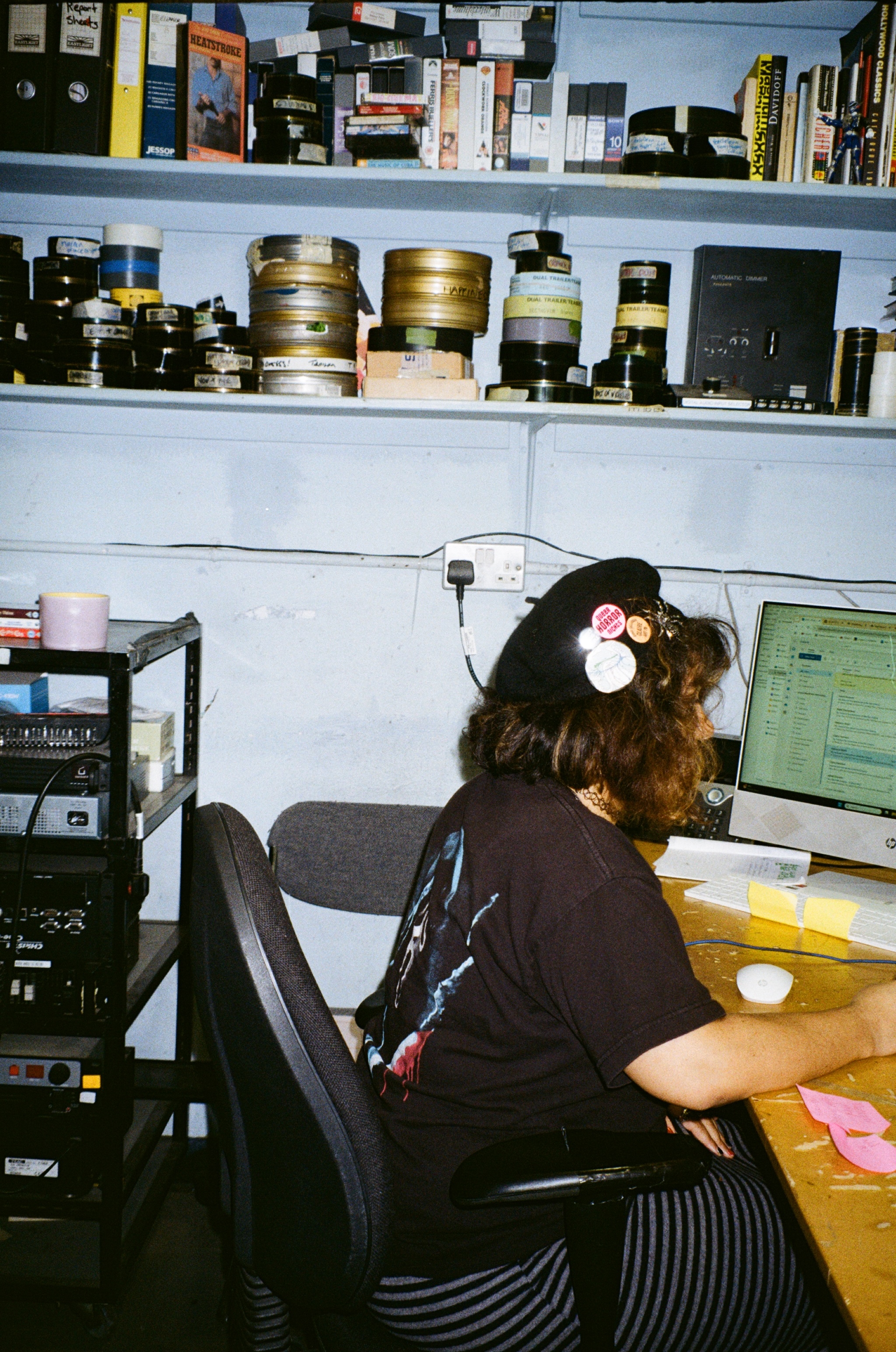
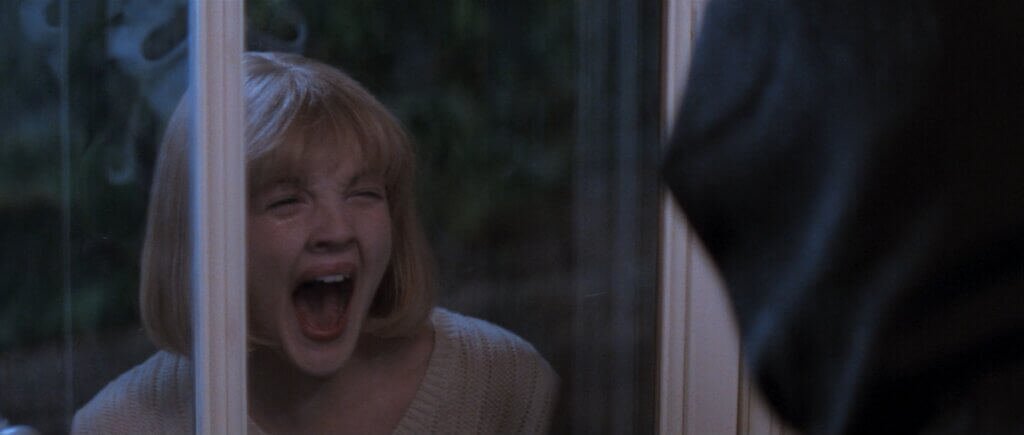
We meet at the Rio Cinema, sitting on Screen One’s stage, a space that once hosted live burlesque shows, which feels more than fitting for our conversation. Discussing everything from our earliest memories of monsters, desire and horror on screen. “I was actually very anti-horror as a kid,” Claire tells me; she thanks a friend’s 15th birthday party for watching “The Woman in Black” for changing her perspective on the genre. ” It was the first time I had seen a horror film in the cinema. It was this magical experience: screaming, laughing and talking with friends at the movies, the whole room reacting to the film. After that, I was hooked. I went home and watched Scream, which informed my early horror education (because it references so much). From there, Claire tells me she rented every movie referenced in “Scream” from her local library, propelling her horror film education at full speed. "I love the thrill and catharsis you get from horror. As a film programmer, for me it’s the only genre besides comedy that really begs your audience to react out loud with you. You know you have a good horror film if people are covering their eyes and talking with their friends; that’s what you want”.
In a few years, Claire quickly amassed a great knowledge of the genre. With a passion for moving images, she worked on film sets before deciding to pursue programming, looking to elicit that same feeling she experienced in the cinema at fifteen. Through her co-founded with Molly Miles, the pair look to change the way in which marginalised groups can engage with horror cinema. “When I program for Cat H with Molly, it’s for the girls, the gays, POC; we want to create space for people to feel safe and welcome watching these films”. I ask Claire, since she has watched such a vast amount of horror films, if she feels the legacy of horror narratives orient well enough towards female audiences: “My introduction into horror films was the slasher genre. There's an inherent feminism in them that spoke to me as a teenager. From the final girl trope, the girl that makes it to the end and literally or figuratively fights off her demons.
Horror has always been a women’s genre.
As women, we literally have to come face to face with blood multiple times a month in a way that historically men have not.” Claire describes it as a way in which women confront mortality. “ Because of this, horror speaks to me. I think [to] many of us subconsciously. The myth that women can’t confront gore is so wrong. Even in early horror literature, with writing like “The Castle of Otranto” (by Horace Walpole) or “The Monk” (by Matthew Gregory Lewis), had readers who were largely female. Like in most art spaces, horror is still male-dominated, and a lot of horror is made for and by men. But that’s another reason why I love programming; it’s navigating and showing films that aren't necessarily male centered or shining a new perspective on how it speaks to us as people not always centered on the screen.
I ask Claire what her favourite onscreen monsters are. It’s no surprise her answer is Vampires. As she speaks boisterously on the monster, I notice her Vampyra tattoo reflecting her obsession with the fanged creature: “Vampires are perceived as sensual monsters. They’re gothic, queer-coded, sleek, charming - why I like them is like asking why the sun is hot! They’re these monsters you can’t initially tell are monsters, seducing their victims with their beauty. - That’s part of the appeal. The vampire is also a very homoerotic figure; it’s a penetrative act for them to stay alive, biting their victim and sucking their blood, or to be killed with a stake to the heart. Despite this, it’s interesting that the first ideas of Vampires came from this short story, “The Vampyre” by John William Polidori. Here, the vampire is a zombie-like undead being who steals human essence to stay alive. I ask about female vampires, on the other hand, where popularised depictions are often similarly sexualised: “With women vampires, Lilith from the bible can be seen as one of the oldest, but really Carmilla from the short story “Carmilla” by Joseph Sheridan Le Fanu is what popularised women vampires. More recently, there's the resurgence of women vampires in the 60s and 70s; post-wave feminism made portrayals sexier, and we see lesbian vampires on screen. It becomes a representation of reclaiming agency and sexuality. These women vampires get to be three-dimensional; personally, I think that's a very positive thing. I support women’s rights and women’s wrongs; I want to see women being bad in popular culture, and the vampire myth really toes that line of the evil monster.”
We speak about how this popularisation of female vampires leads to Claire’s favourite show “Buffy”, and how that then enables the books and films of “Twilight”, bringing vampires to a new generation: “Our generation re-connects with Vampires through the Twilight series where Edward is this hot anti-hero vampire for teens. He’s sparkly, has a heart, he’s a desirable guy (I should say I was team Jacob)” I go back to her mentioning being team Jacob (as I myself was Team Edward). After a little justification on my end, Claire asserts, I was always team Jacob because in my head it would be better to be snuggled up with a warm, muscly Jacob than Edward’s corpse! But if we’re mentioning werewolves, they’re another interesting monster toeing the line of being more feminine, even though you rarely see women werewolves on screen. They’re creatures that live on a cycle with the moon; they transform in a very painful way for a short amount of time. My favourite female werewolf is from Ginger Snaps, a coming-of-age sister movie where one of them is becoming a werewolf.
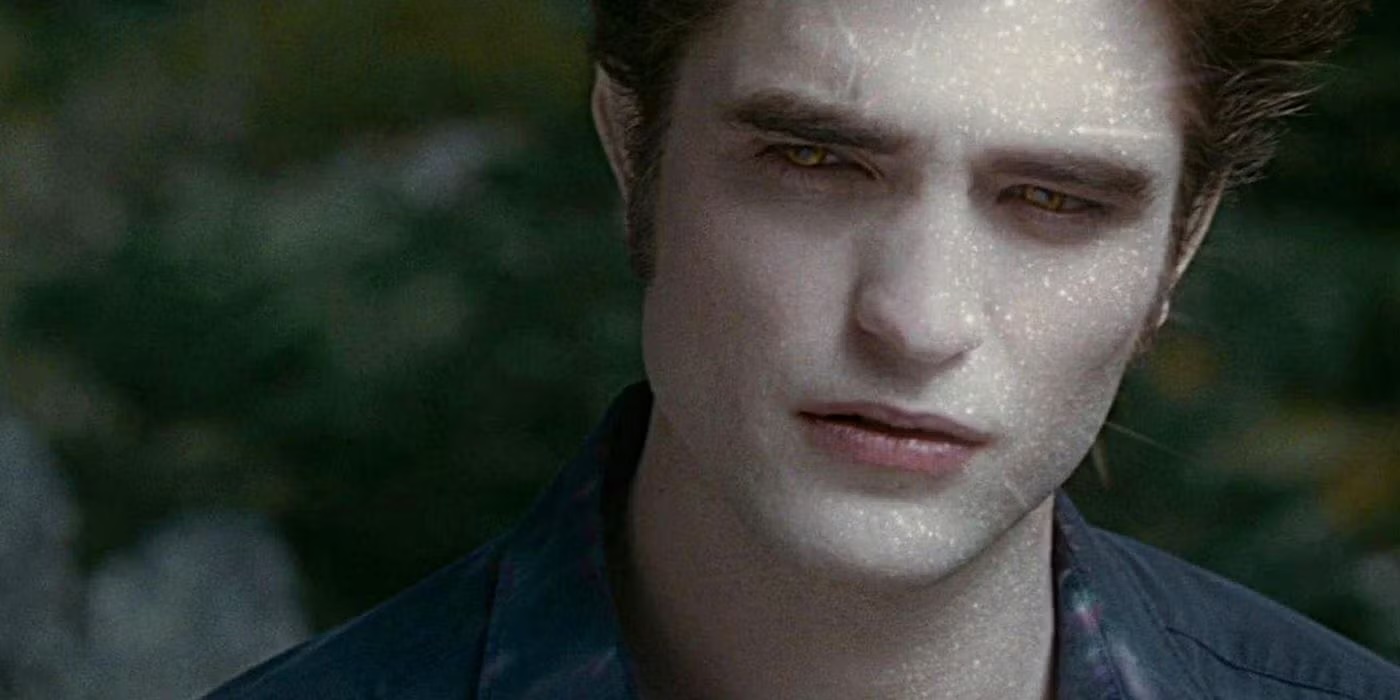
It’s interesting how easily desire intertwines with monstrous stories. I mention how strange it is that we, as audiences, position some monsters as more desirable than others. As children, we are positioned to want Beast to turn back into a man for Beauty, or, more on topic, we want Bella to become a vampire, immortal with her lover Edward. “We want Angel from Buffy to maintain his soul because he’s such a tragic character”, Claire continues, “living forever, being young and sexy, if someone offered you to be young and sexy forever but occasionally you had to kill someone or turn them into a vampire too, I think a lot of people would be up for that”. Claire describes it best when she says, “There’s this kind of womanhood thing where we often want to see past the facade of monstrousness. It’s an empathetic act to see past the surface level of a monster, for better or worse. Monsters can serve our journey towards sexual awakening or freedom; I’m very pro-that. In a way, these films can be sexier than actual erotic films. Claire goes on to compare recent erotic film releases: “Films like "Babygirl" or “Pillion” I really enjoyed, but on the other end are films like “Wuthering Heights”, which was marketed as a very sexually charged film but didn’t deliver on how the trailer presented it. I’m very pro-sexy weird movies; sexy movies have always been popular. Films like “Secretary”, I love because there’s this sexually weird woman who forms a relationship where it’s fully consensual. They're both exploring this thing that is very taboo but works for both of them; she uses sexual liberation as a way to help her in other aspects of her life. It’s not necessarily sexual freedom, but it’s sexual liberation, and that’s what these movies are about”
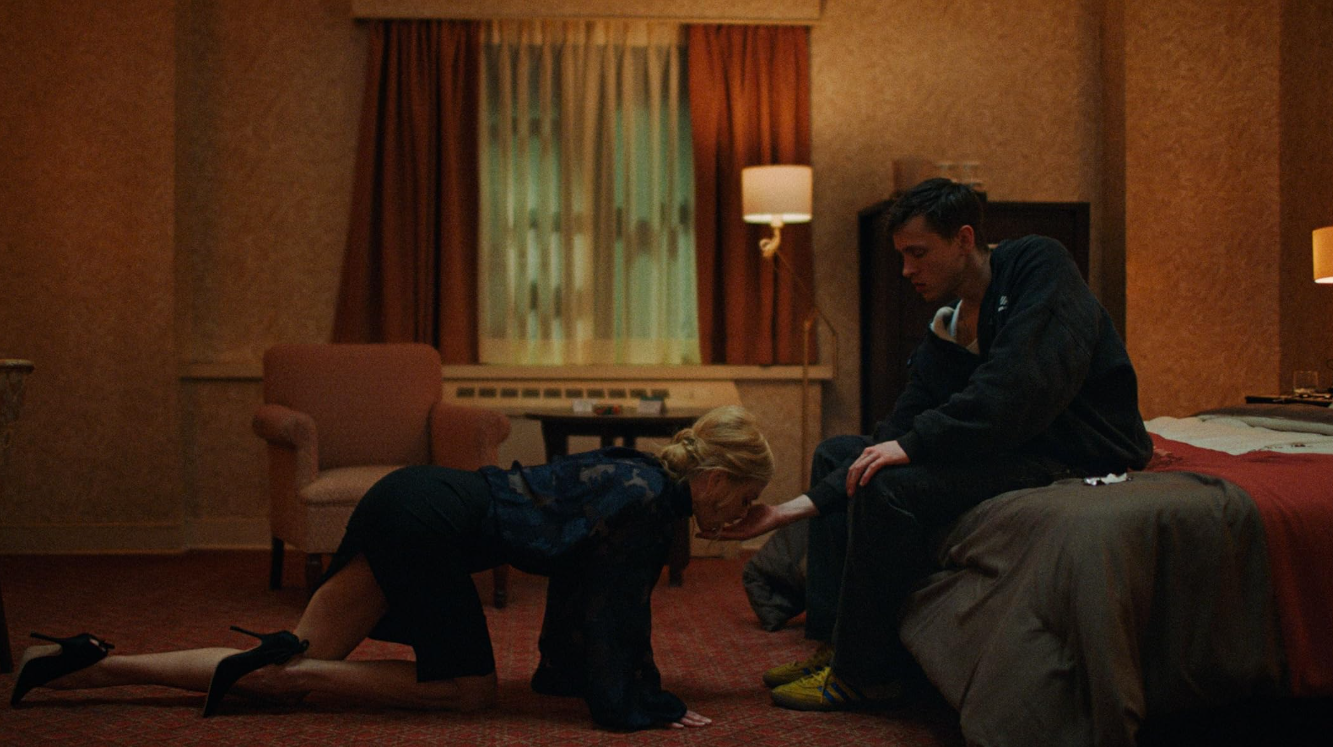
In wondering why monsters, these age-old characters that cross literature and film, seem to continue to earn audiences who are equally as repulsed as enthralled by their nature, Claire suggests, “It’s an age-old question from the dawn of the horror genre,” Claire giggles. “We love monsters, freaks; it’s us recognizing the monster in ourselves.
We have an attraction to the uncanny and the weird that confronts how societal norms expect us to only be attracted to beauty.
We know that’s not true because we can’t look away from a car crash just as much as we can't from a sunrise. When we see a monster, we feel empathy; our ability to do that is inherently love, so maybe that’s why”.